IgG4ward! Caregiver’s Conversation: Coping with Stress, Trauma & Self-Preservation in IgG4-RD
Caregiver’s Conversation Overview
On Friday December 12, 2025, the IgG4ward! Foundation hosted its final webinar of the year: IgG4ward! Caregiver’s Conversation: Coping with Stress, Trauma & Self-Preservation in IgG4-RD.
The IgG4ward! Caregiver’s Conversation is a caregiver-led dialogue that centers lived experience while creating space for patients, families, clinicians and partners to learn, reflect and connect as a community.
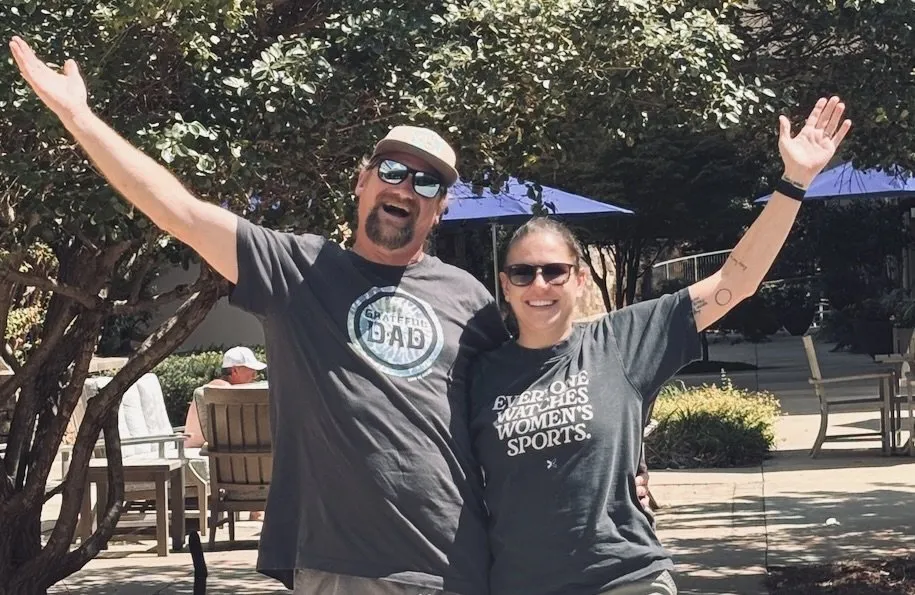
This conversation was led by Katharine Provencher, Director of Advocacy & Community Engagement at the IgG4ward! Foundation, caregiver and clinical social worker, and featured Julie Wells, Director of Strategic Relationships at Give an Hour, along with two of our IgG4ward! Mental Health Patient Ambassadors, Andy and Kim.
Together, they explored how stress, trauma, emotional regulation, self-preservation and peer support show up in real life for people affected by IgG4-related disease. The conversation featured selected video clips from Julie Wells’ breakout session at the IgG4ward! PeachJAM, our second patient-facing event held in September in Atlanta, Georgia. This helped to guide and shape the live discussion.
Watch the full Caregiver's Conversation
Why Mental Health Belongs in Rare Disease Care
Mental health is often treated as separate from physical health. For individuals living with IgG4-related disease, that separation does not reflect reality.
The rare disease journey can include:
Long diagnostic timelines
Misdiagnoses and uncertainty
Medical procedures and hospitalizations
Ongoing vigilance and fear of flares
Over time, these experiences can take an emotional toll that deserves recognition and support.

Trauma Often Lives in the Body
One of the central themes of this Caregiver’s Conversation was that trauma does not always return as a memory. Often, it shows up as a reaction.
Trauma may appear as:
Anxiety or panic without a clear trigger
Emotional shutdown or irritability
Physical sensations that feel confusion or overwhelming
For many in the rare disease community, trauma is cumulative. Naming it helps reduce shame and allows space for understanding and healing.
“Trauma often shows up as a reaction, not a memory.”
Learning to Notice Body Signals
Rather than trying to fix emotions in the moment, the conversation emphasized noticing. Participants were encouraged to:
Pay attention to physical and emotional reactions
Avoid dismissing or minimizing them
Gently track patterns over time
This kind of awareness can bring clarity and help individuals respond with greater self-compassion. It is also important to remember that rare disease can reactivate past trauma unrelated to diagnosis.
Emotional Regulation Is a Practice
Emotions cannot be stopped, but they can be supported.
The Caregiver’s Conversation highlighted realistic emotional regulation tools that can be used in daily life, including:
Breathing resets
Grounding through senses
Movement that matches current energy levels
Music or visual focus
Short “micro-resets” throughout the day
Andy and Kim shared how personal strategies – such as breath, focused attention, puzzles, movement and warm baths – help them navigate stress, uncertainty and disease flares.
There is no single right approach. What matters most is finding tools that work for you and practicing them over time.
“I Noticed…”: A Gentle Way to Check In
Another key takeaway from this webinar, was the importance of how we check in with one another.
Julie shared signs that someone may be struggling emotionally, especially when changes are ongoing or out of character. The phrase “I noticed…” was emphasized as a compassionate way to open conversation.
This approach reduces defensiveness and creates space for connection. Andy and Kim shared how meaningful it can be when concern is expressed with curiosity rather than judgement.

Self-Preservation vs. Self-Care
The distinction between self-care and self-preservation resonated strongly with the community.
Self-care often feels optional.
Self-preservation is essential.
Self-preservation may look like:
Simplifying routines
Choosing accessible movement
Planning ahead to reduce stress
Asking for help
Protecting energy and capacity allows individuals to continue caring for themselves and others without reach a point of collapse.
The Power of Peer Support
Peer support is a cornerstone of emotional well-being in the rare disease community.
Connecting with others who share lived experience can:
Reduce isolation
Build resilience and hope
Provide validation
Create a sense of belonging
True peer support works as a circle, where everyone both gives and receives. Andy and Kim shared how their connection helps them feel understood and supported, even on the difficult days.
From PeachJAM to the Caregiver’s Conversation
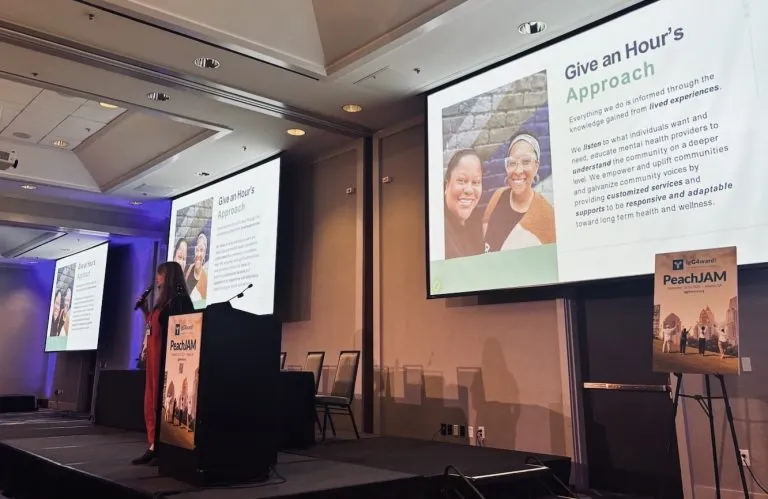
Several moments in this Caregiver’s Conversation included short clips from Julie’s breakout session at the IgG4ward! PeachJAM, a patient facing event that was held in September in Atlanta, Georgia. The IgG4ward! PeachJAM brings together patients, caregivers and community members for connection, education and shared understanding.
Julie presenting at the IgG4ward! PeachJAMJulie presenting at the IgG4ward! PeachJAM
Julie’s full breakout session will also be available as part of the IgG4ward! PeachJAM Video Series on our website, offering additional insight into trauma, emotional regulation, peer support and self-preservation for the IgG4-RD community.
Resources Shared During the Conversation
During the Caregiver’s Conversation, participants were encouraged to explore Give an Hour’s resources:
Understanding Trauma
Everyone Has Mental Health
Face the Five
Healthy Care Boundaries
Micro-Resets
Understanding Peer Support
Self-Care Checklist
A Final Message to the Community
Mental health is part of your care.
Support is not a weakness.
You are not alone.
We strongly encourage watching the full Caregiver’s Conversation replay to hear these stories and insights directly from the speakers.
© 2025 IgG4ward! Foundation. All rights reserved. This video and its content may not be reproduced, distributed or shared in whole or in part without prior written permission from the IgG4ward! Foundation.