
Give an hour
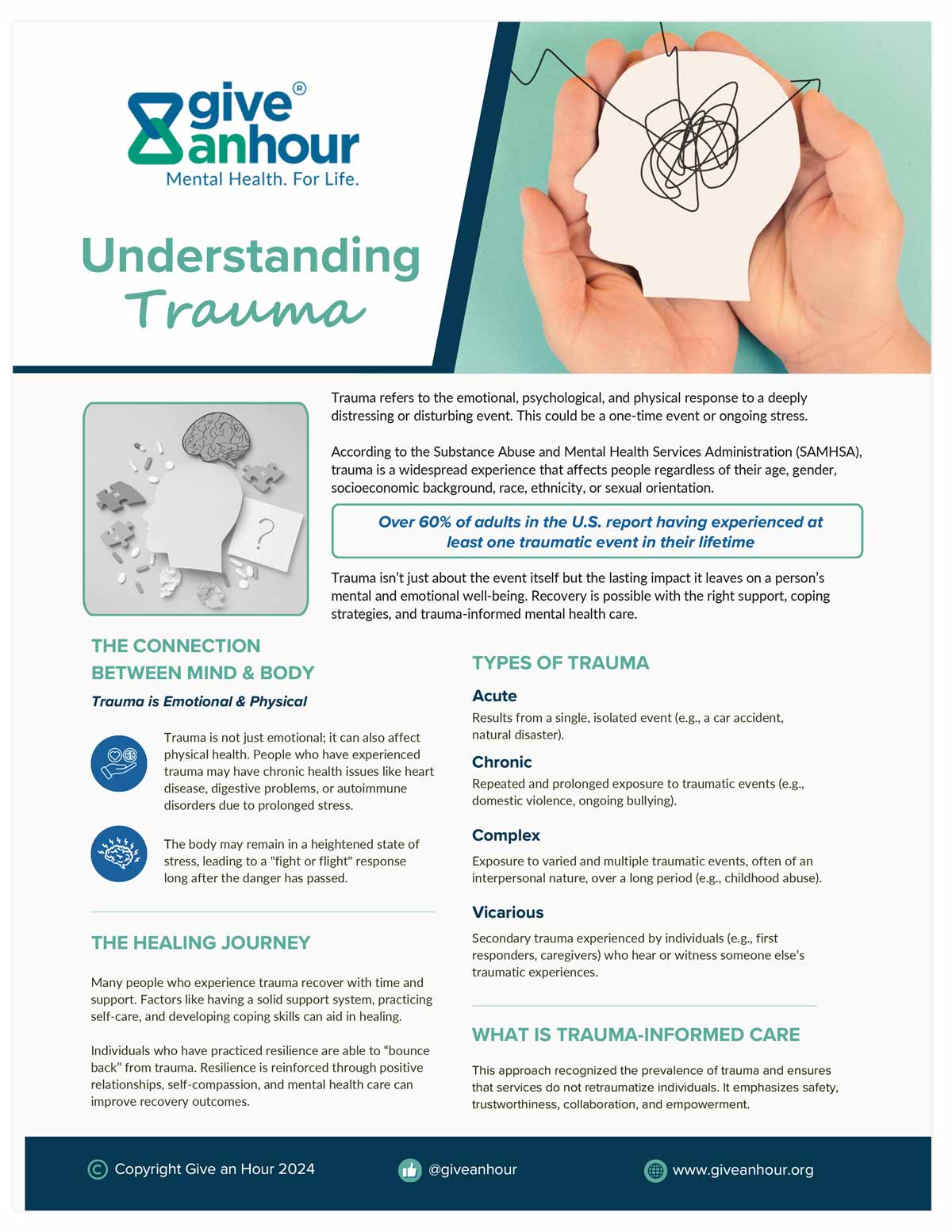
Trauma is something many people experience, yet it’s often misunderstood or overlooked
It’s not only about what happens in a moment of crisis, but also about how those experiences continue to shape our thoughts, emotions and physical well-being over time. Whether caused by a single event or prolonged stress, trauma can affect anyone and its impact can show up in ways we don’t always expect.
This article explores what trauma is, how it connects the mind and body, and the different forms it can take. It also highlights the path toward healing, emphasizing that recovery is possible with the right support, understanding, and care. By learning more about trauma and trauma-informed approaches, we can better support ourselves and others on the journey to resilience and well-being.



A healthcare appointment guide for patients and providers
A guide to help you quickly share what IgG4-RD is, how it has affected your body, and what your healthcare team may need to know to provide effective care.
Read more
What to expect at IgG4ward! CamJAM: October 11 in Cambridge
Learn what to expect at IgG4ward! CamJAM on October 11, 2026, in Cambridge, Massachusetts: IgG4-RD education, expert Q&A, and connection for patients and caregivers.
Read more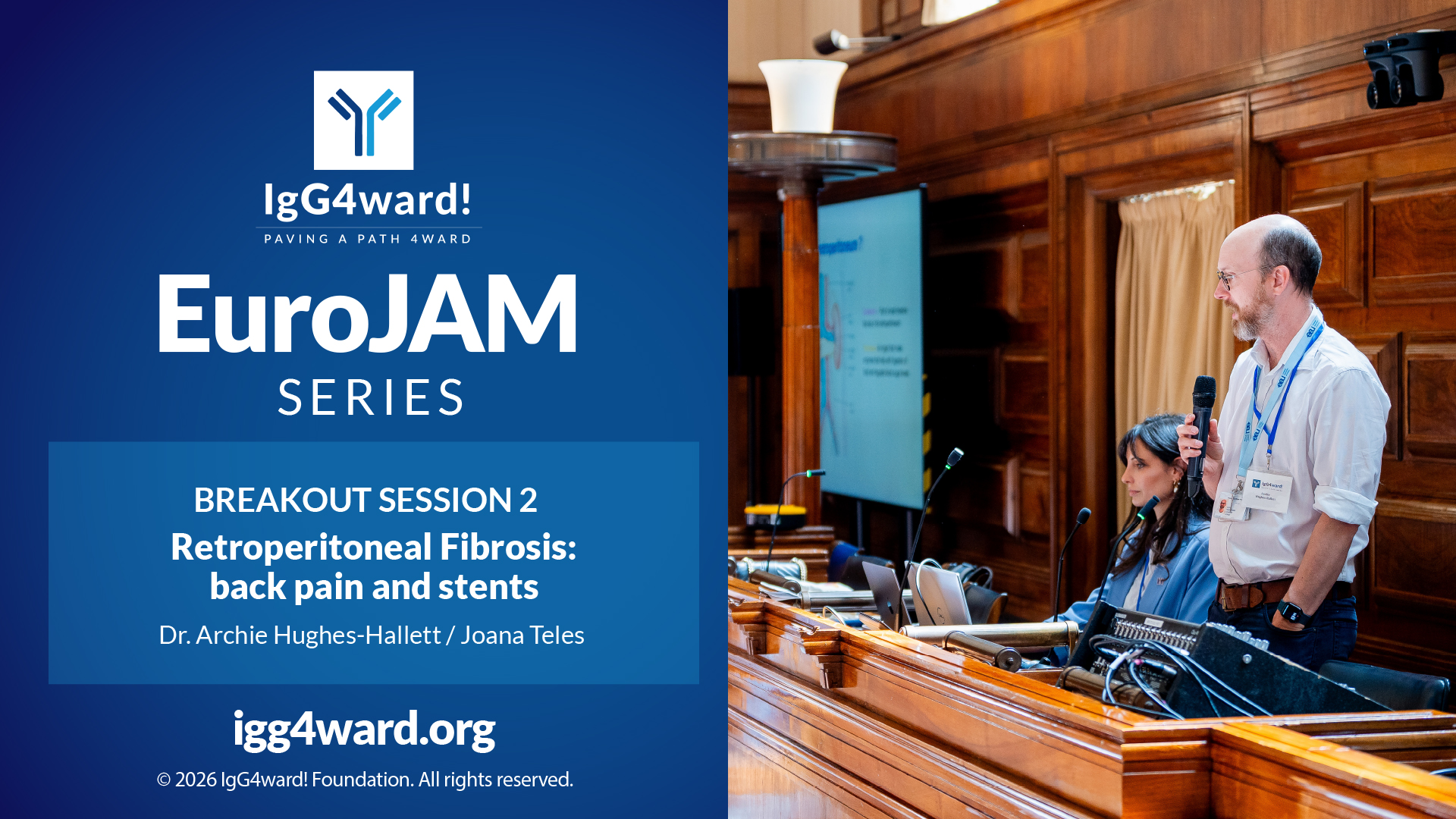
IgG4ward! EuroJAM Session 6: Retroperitoneal fibrosis, back pain, stents, and kidney health
Learn how retroperitoneal fibrosis can affect people living with IgG4-related disease. Dr. Archie Hughes-Hallett and Joanna Teles, a Kidney Nurse Specialist, explain back and abdominal pain, urinary obstruction, hydronephrosis, ureteric stents, nephrostomy tubes, surgical considerations, and kidney health.
Read more