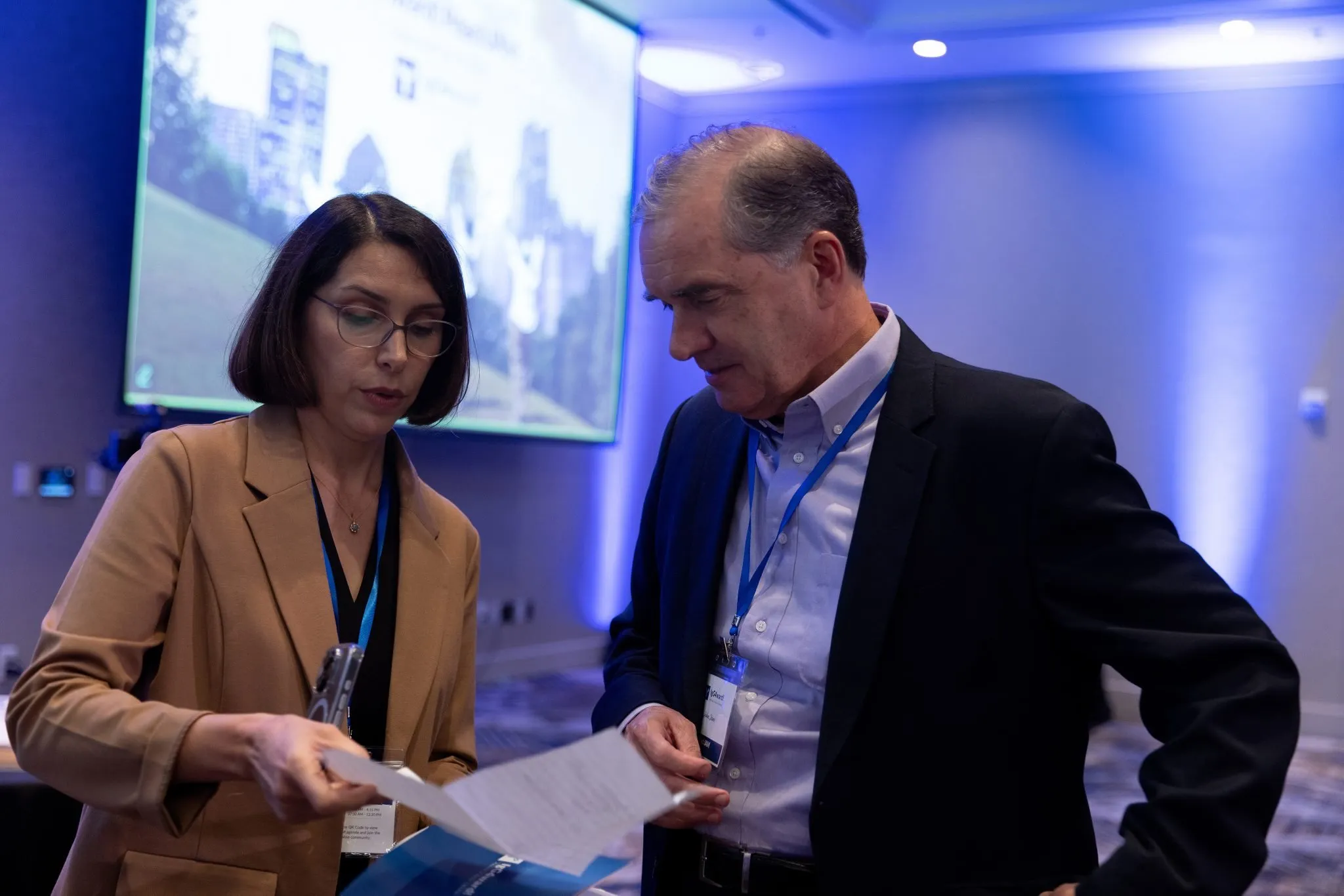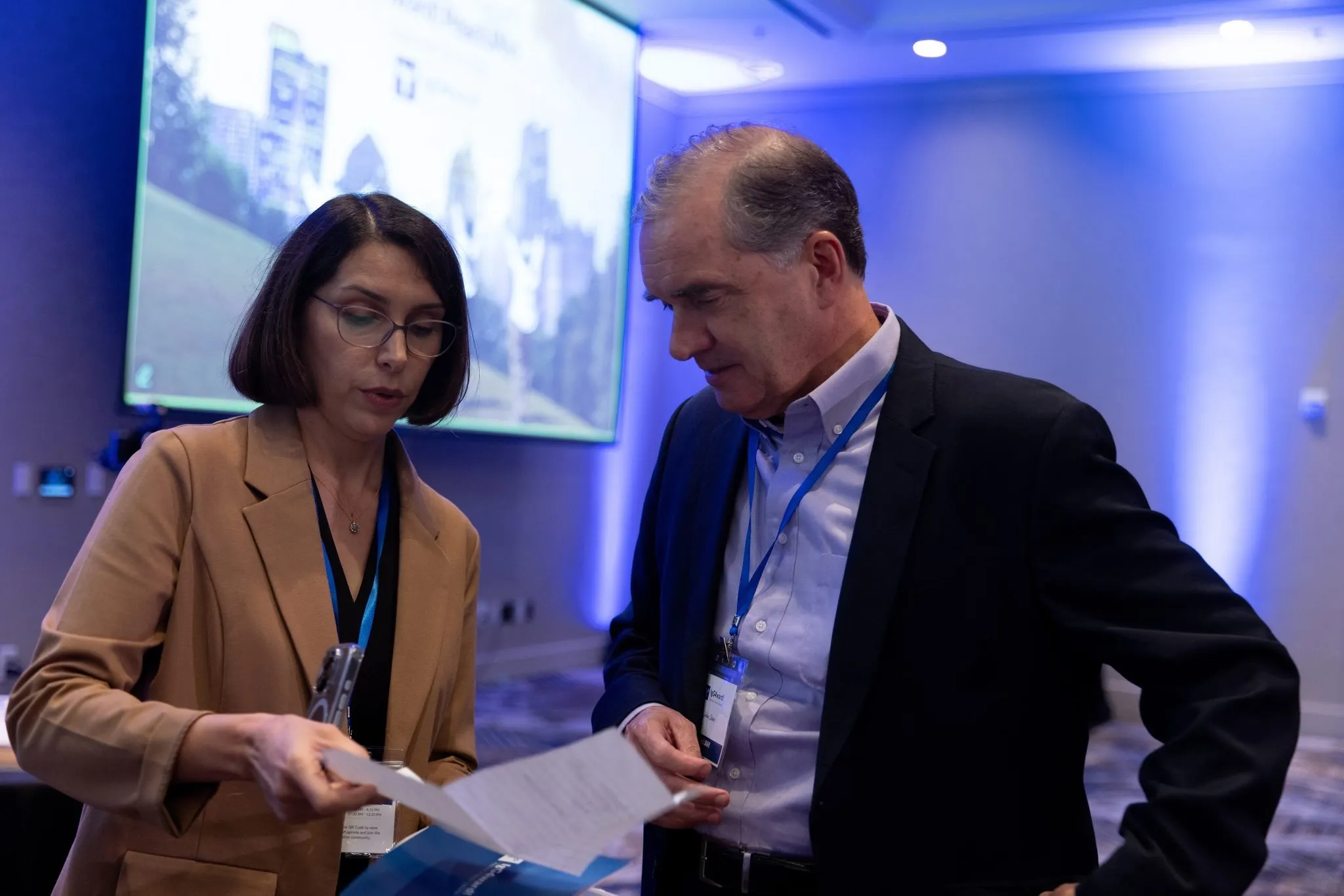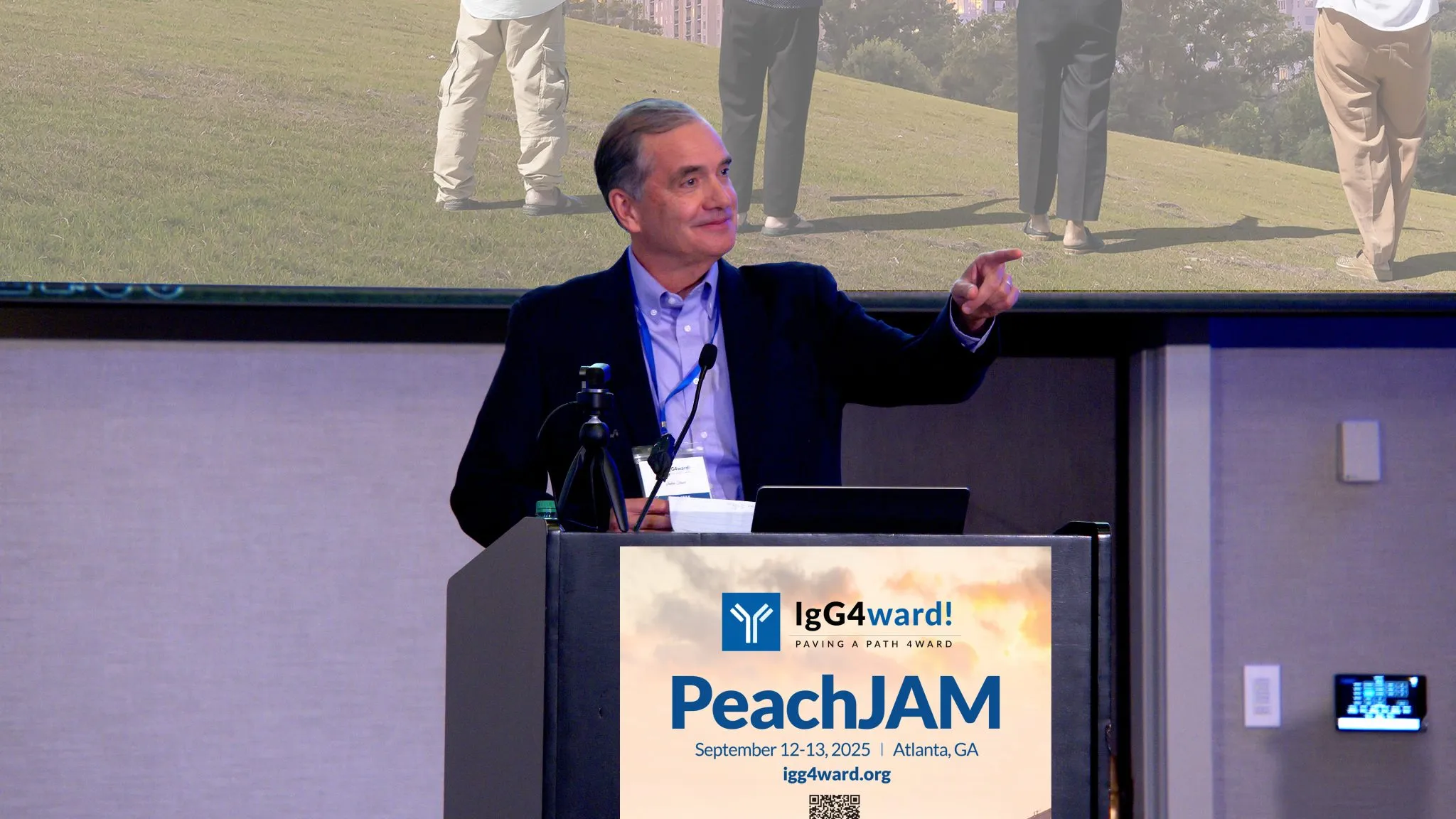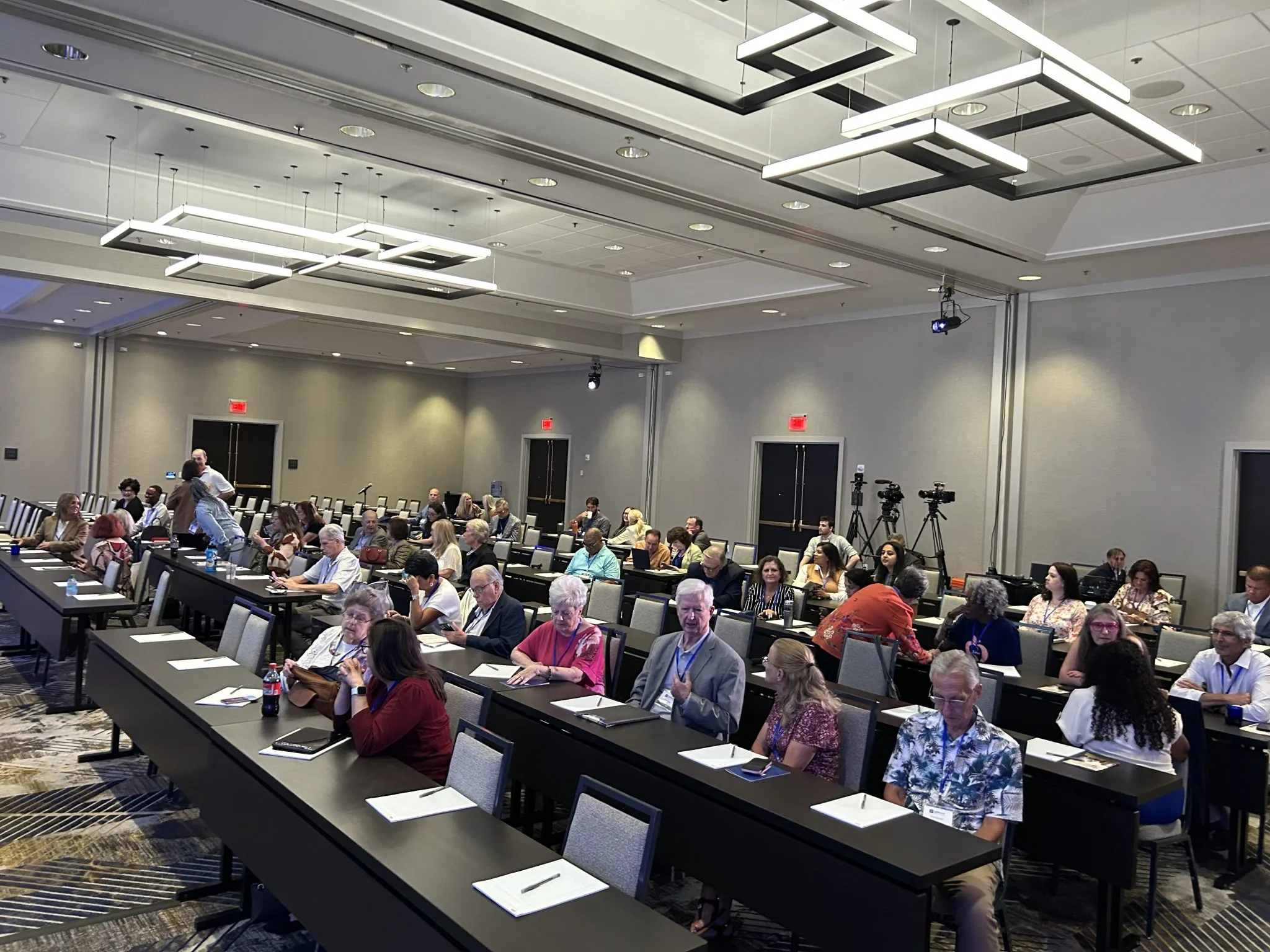
IgG4ward! PeachJAM Series: Applying Clinical Trial Results to Practice – How Should IgG4-RD Be Treated Now & in 2026?
“The purpose of treatment in IgG4-related disease and most autoimmune diseases that have inflammation... is actually in two sections. The first part is to reduce the inflammation, which is like extinguishing the fire that is happening at the organ.”
Dr. Khosroshahi
Welcome back to the IgG4ward! PeachJAM Video Series.
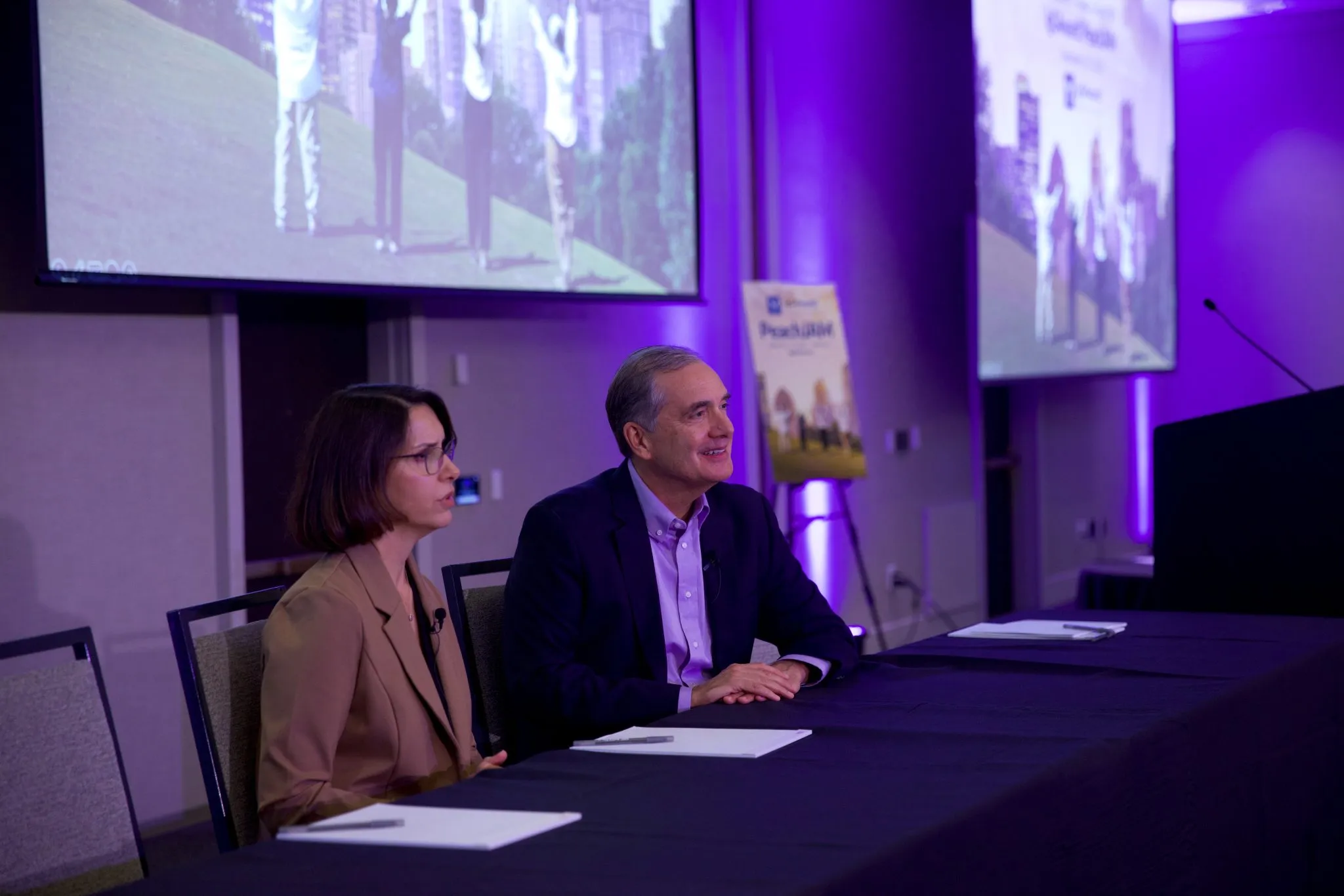
In this keynote lecture, Dr. Arezou Khosroshahi and Dr. John Stone collaborate to discuss how advances in research and results from major clinical trials are changing the way IgG4-RD is treated today – and what patients and clinicians can expect next.
The conversation explores both the science and the hope behind new treatment options, from traditional steroid therapy to targeted biologics such as rituximab and inebilizumab – the first FDA-approved medication for IgG4-RD.
Watch: Applying Clinical Trial Results to Practice – How Should IgG4-RD Be Treated Now & in 2026?
Highlights from Dr. Khosroshahi & Dr. Stone
The goals of treatment for IgG4-RD are to reduce inflammation and prevent long-term organ damage
Traditional therapy relies on prednisone, which can be effective but carries well-known side effects
B-cell depletion therapies have transformed treatment by precisely targeting the immune system’s drivers of the disease
The Mitigate Trial demonstrated an 87% reduction in relapse risk with inebilizumab compared to prednisone alone
Future therapies, including obexelimab, ACE-1831, and rilzabrutinib, are currently in clinical trials and the results of the obexelimab trial are anticipated in early 2026. We hope that these medications will continue to shape the landscape of targeted treatment for IgG4-RD in a strongly positive manner.
Reading Guide
To help you follow along, here is a quick overview of key concepts discussed in this session. Let’s begin with some definitions that are helpful to understand:
Induction Therapy
Short-term treatment (often steroids) designed to reduce inflammation quickly
Maintenance Therapy
Long-term treatment to prevent relapse and protect organs
Prednisone
A steroid that controls inflammation swiftly but is associated with multiple potential adverse effects, e.g., weight gain, high blood sugar and osteoporosis
Rituximab
Targeted biologic therapy that specifically depletes B-cells, reducing IgG4 production and preventing relapses
Inebilizumab
A B-cell depleting monoclonal antibody - FDA-approved in 2025 for IgG4-RD
Potential Future Treatments
Clinical trials are underway for: obexelimab, ACE-1831 and rilzabrutinib – expanding options for targeted therapy
You can read more about the clinical trials HERE
The IgG4ward! PeachJAM Series brings complex medical information to life—making it accessible and relevant for everyone.
For patients and caregivers, this builds confidence and facilitates shared decision-making.
For clinicians and researchers, the information connects science with real-world experience, showing how trial results translate into better care.
Upcoming Video Release Schedule:
November 3
Panel Discussion – Participation in Research & Clinical Trials – Emory Patients & Clinical Coordinators
November 10
Breakout Session – Avoiding the Potential Side Effects of Treatment – Dr. John Stone
November 17
Short Lecture –How Do I Know if My Disease Is Active? – Dr. Matthew Baker
November 24
Q&A –Community Questions Answered by Expert Physicians
In January, the month’s Fireside Chat will feature the “Greatest Hits” from Breakout Sessions at the PeachJAM and CanJAM.
Also in January of 2026, the Foundation will continue the series with recorded videos from our most recent Patient JAMboree, the IgG4ward! CanJAM.