IgG4ward! PeachJAM Series: Avoiding Side Effects in IgG4-related Disease (IgG4-RD)
Welcome back to the IgG4ward! PeachJAM Video Series.
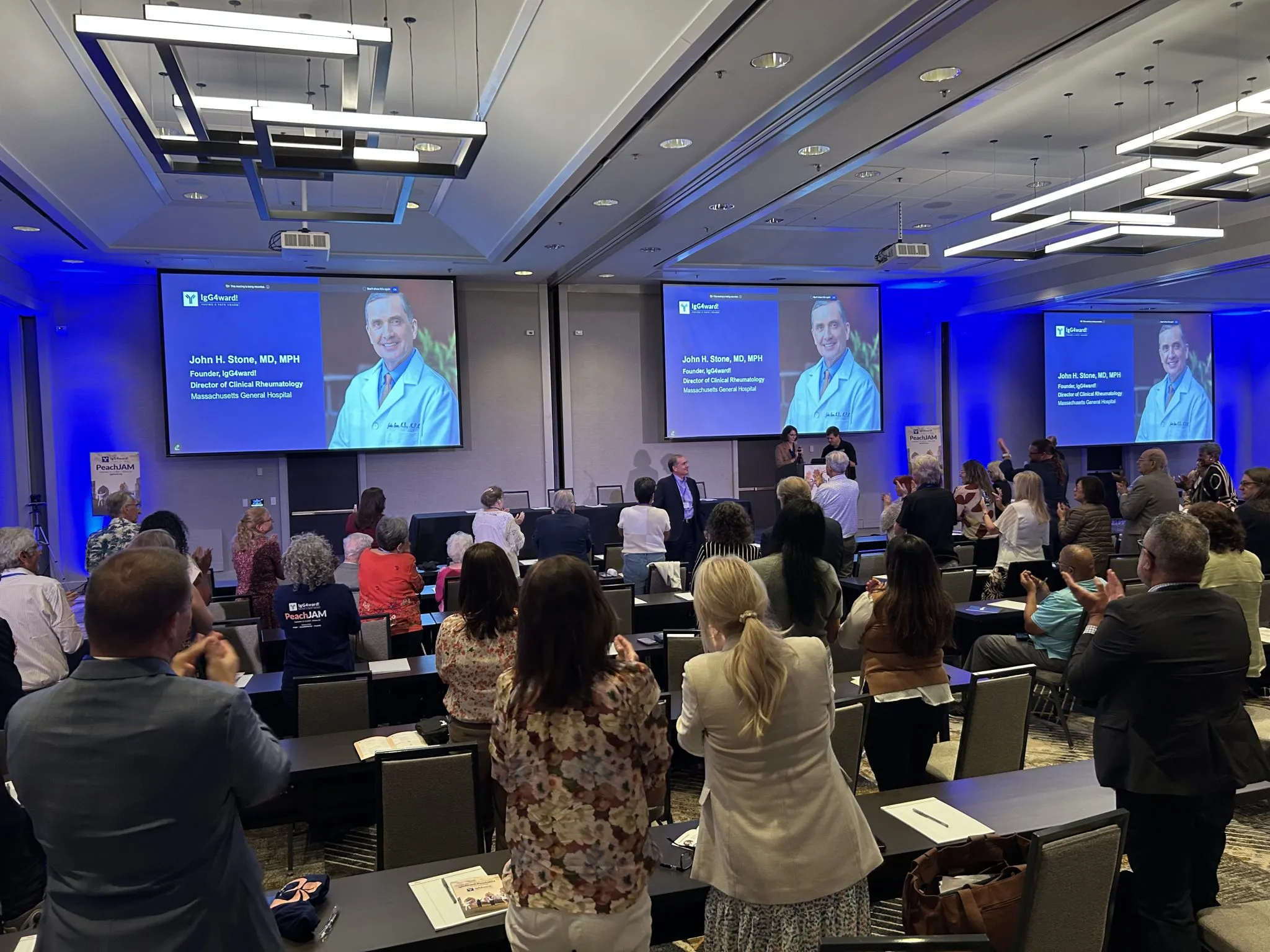
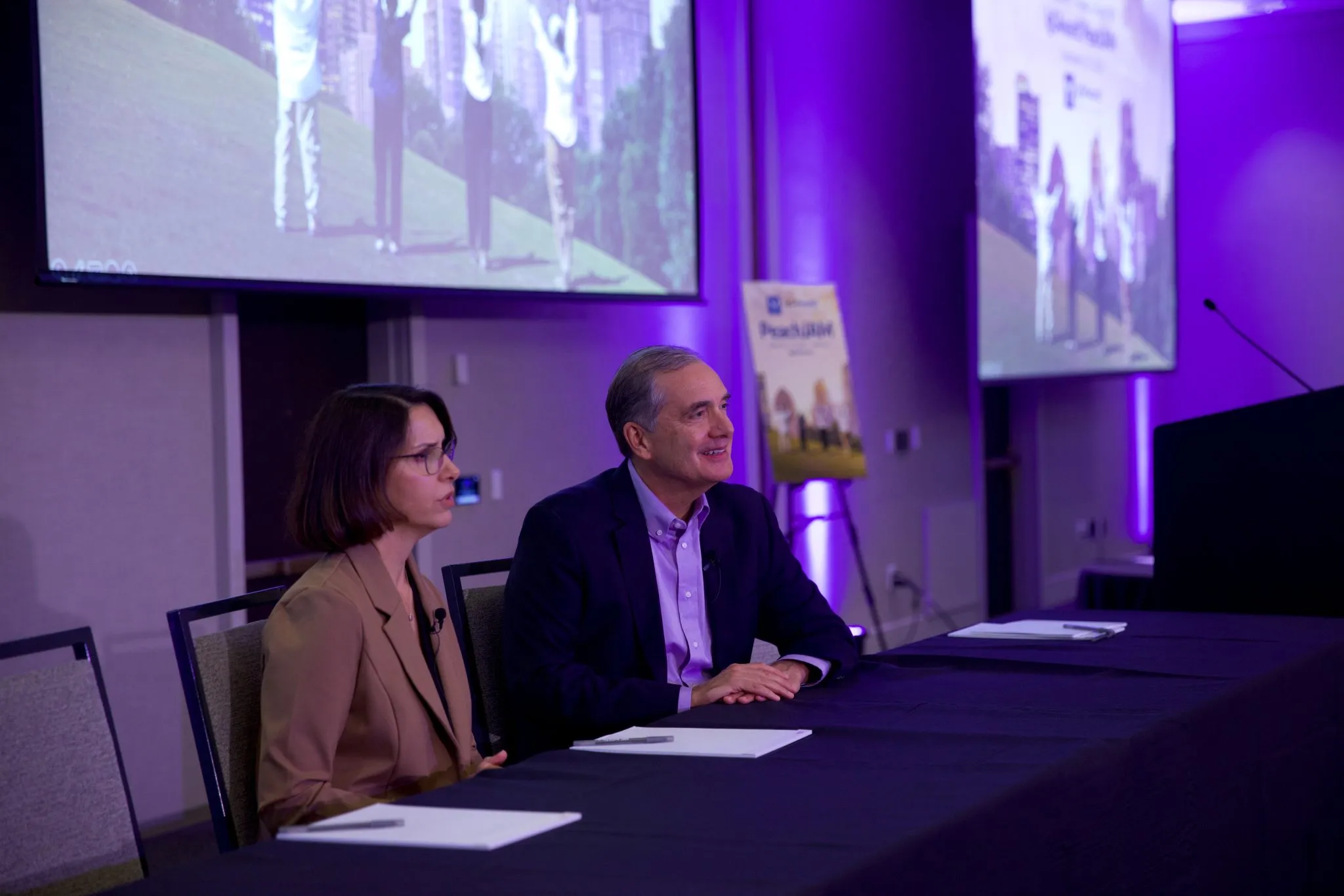
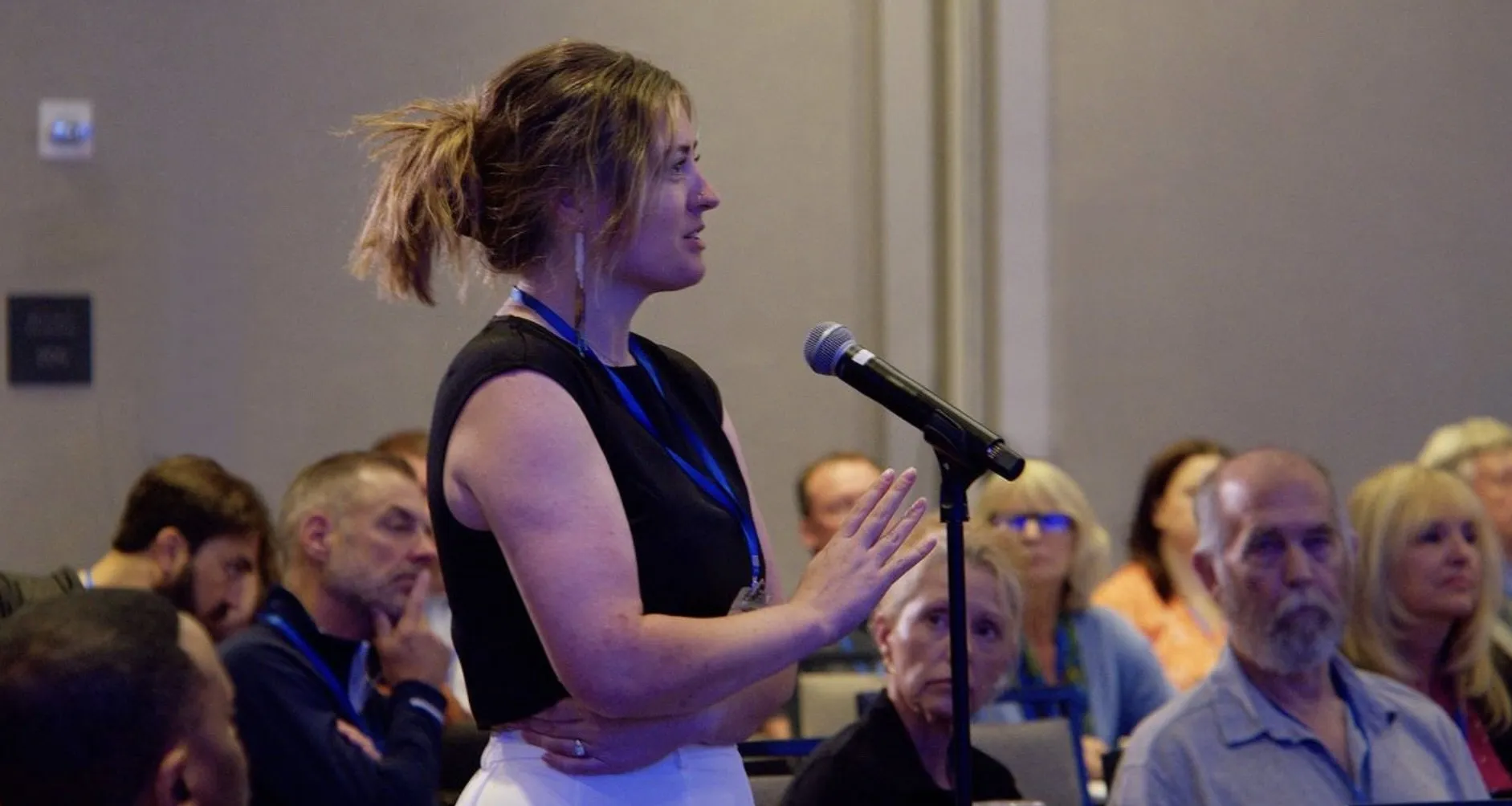
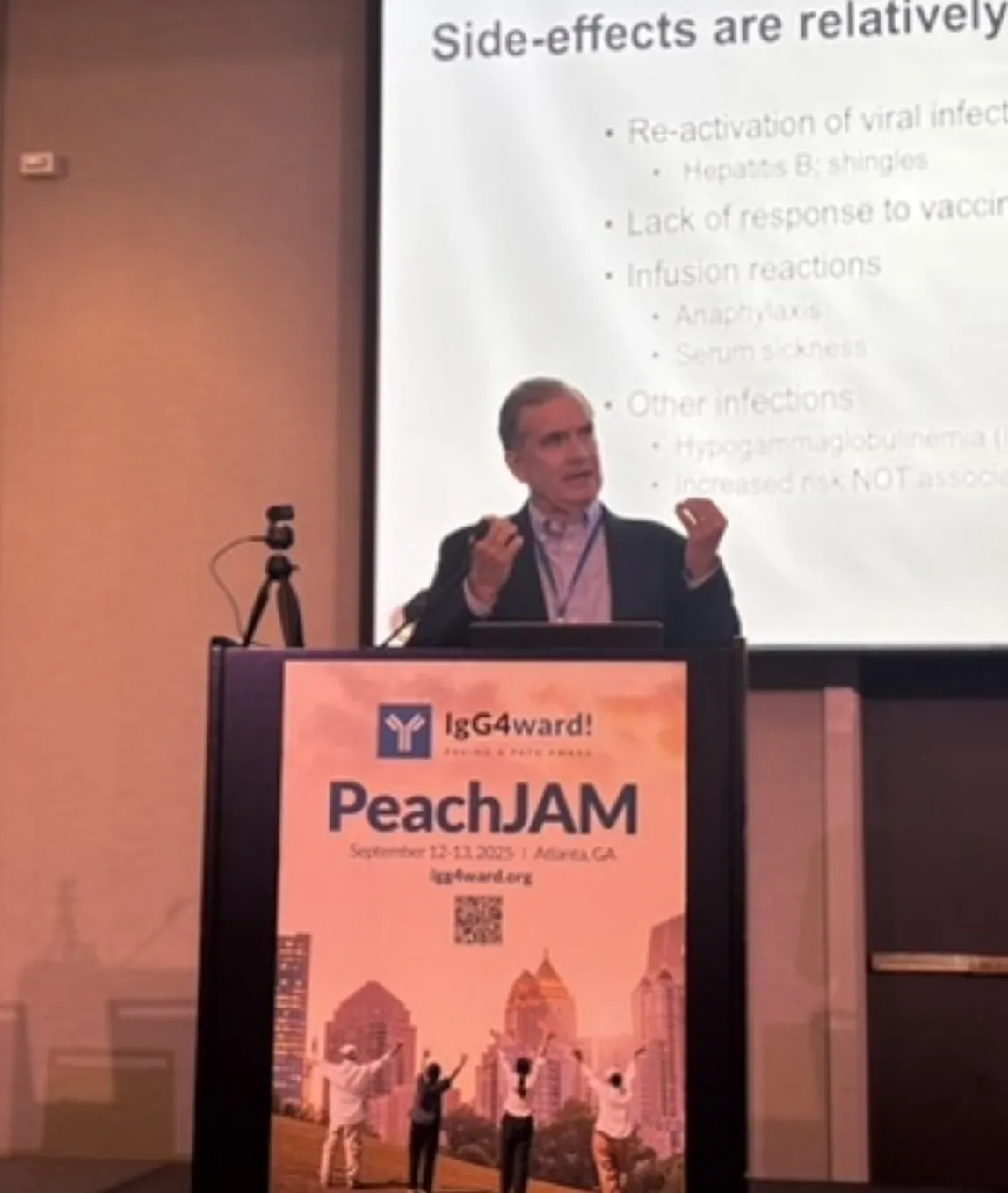
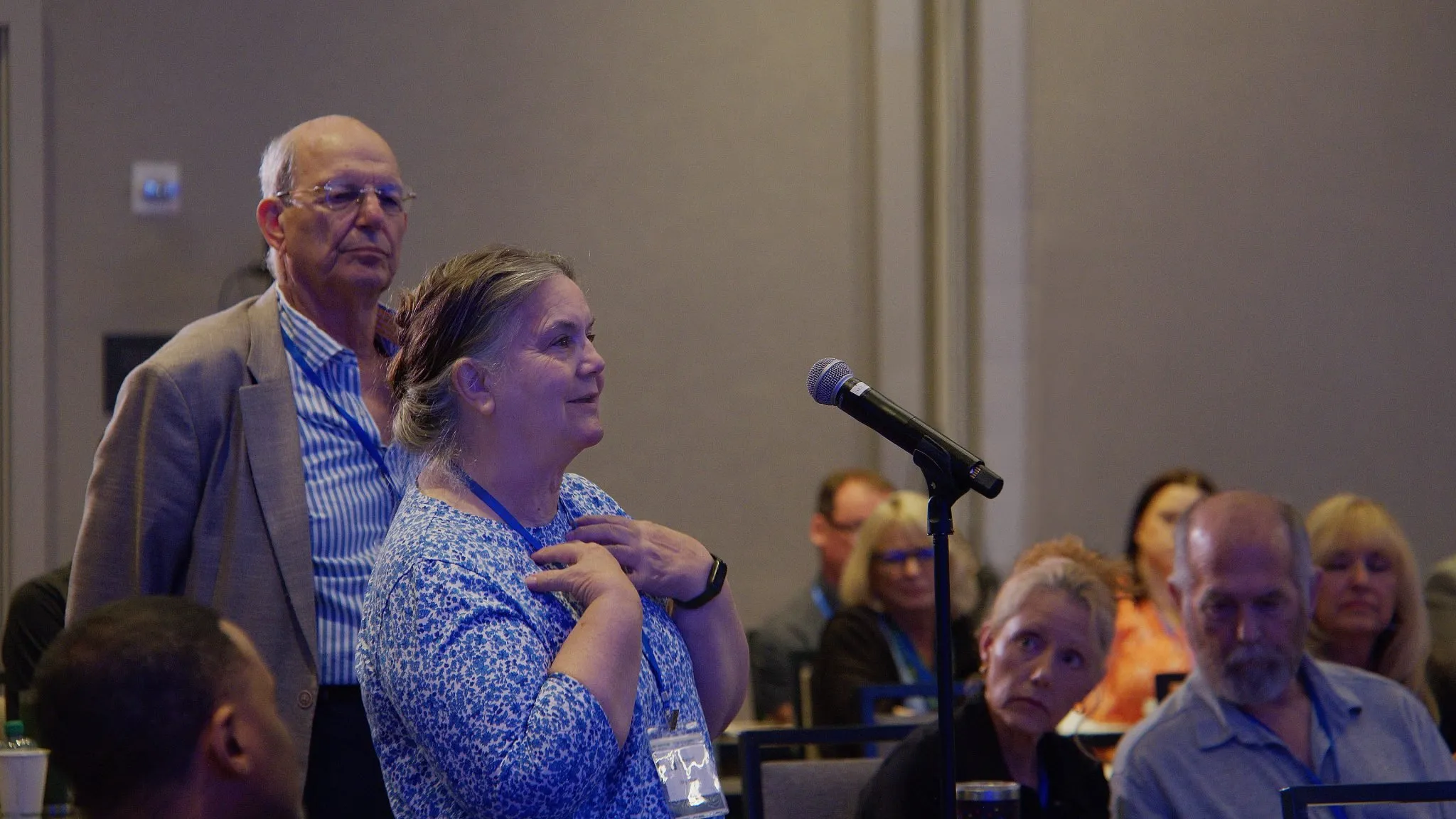
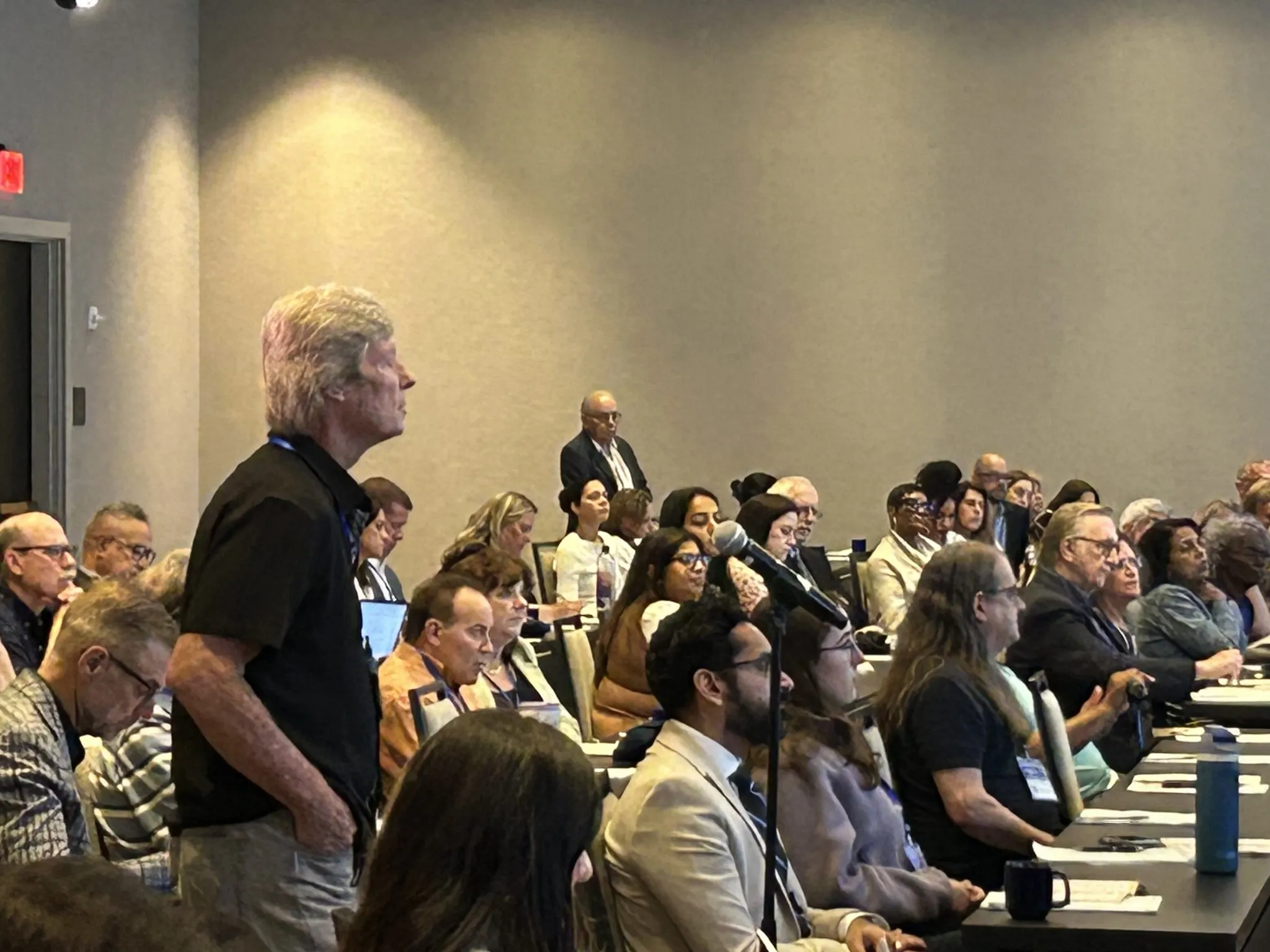
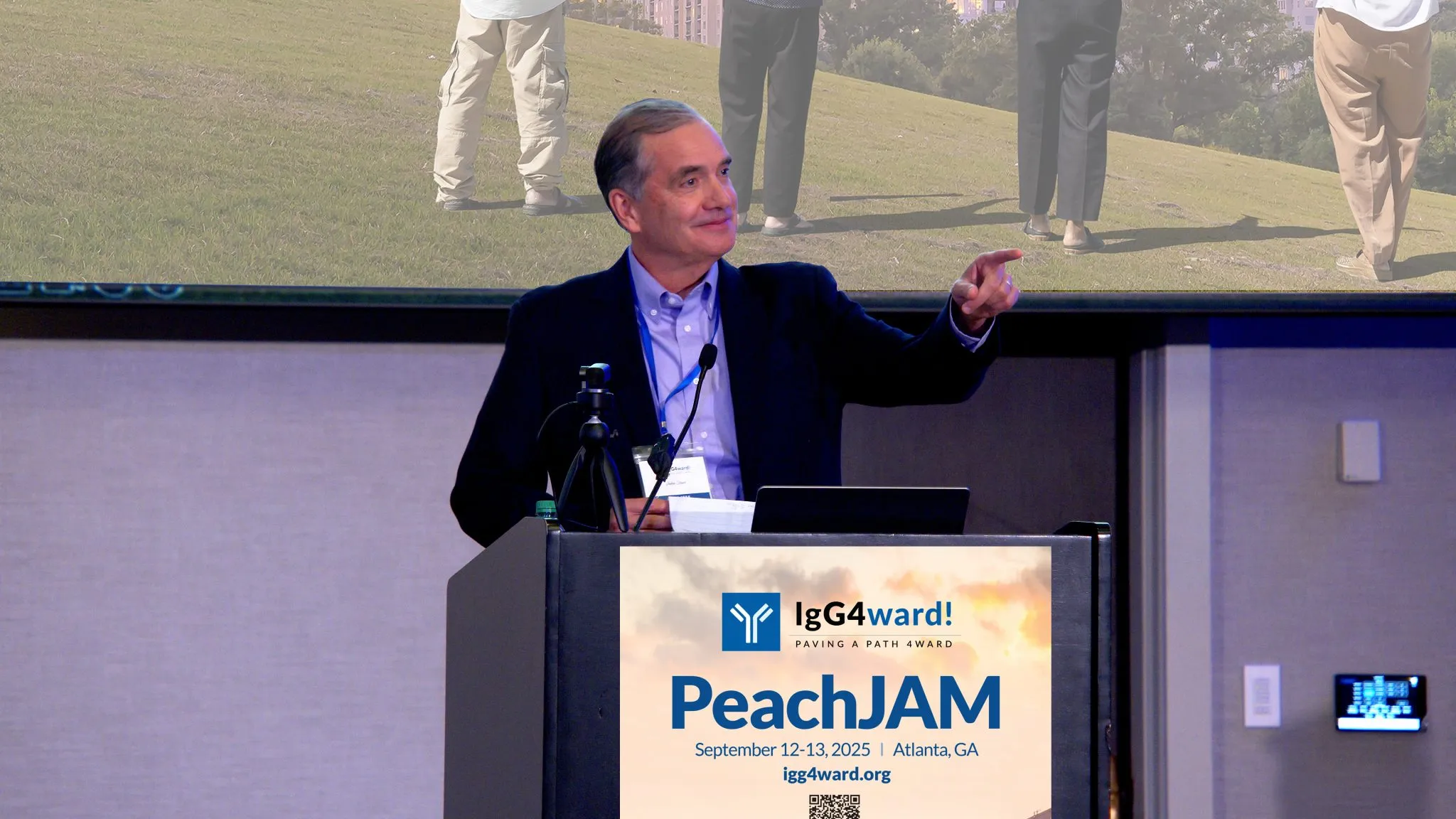
In this breakout-style session, Dr. John Stone shifts from lecture to conversation allowing for questions and discussion related to his talk and IgG4-RD. Dr. Stone’s goal of this session: to share what is known, acknowledge what is still being learned and focus on how to prevent side effects while treating the disease safely and effectively.
Watch: Avoiding Side Effects in IgG4-related Disease
The Focus: Preventing Side Effects & Understanding B-Cell Therapy
Dr. Stone begins with a personal reflection on learning through “trial and error” – a reminder that in IgG4-RD, even experts are learning alongside patients. He also shares news that the IgG4ward! Foundation is now leading a worldwide effort to develop comprehensive clinical guidelines for the diagnosis, treatment, and management of IgG4-RD.
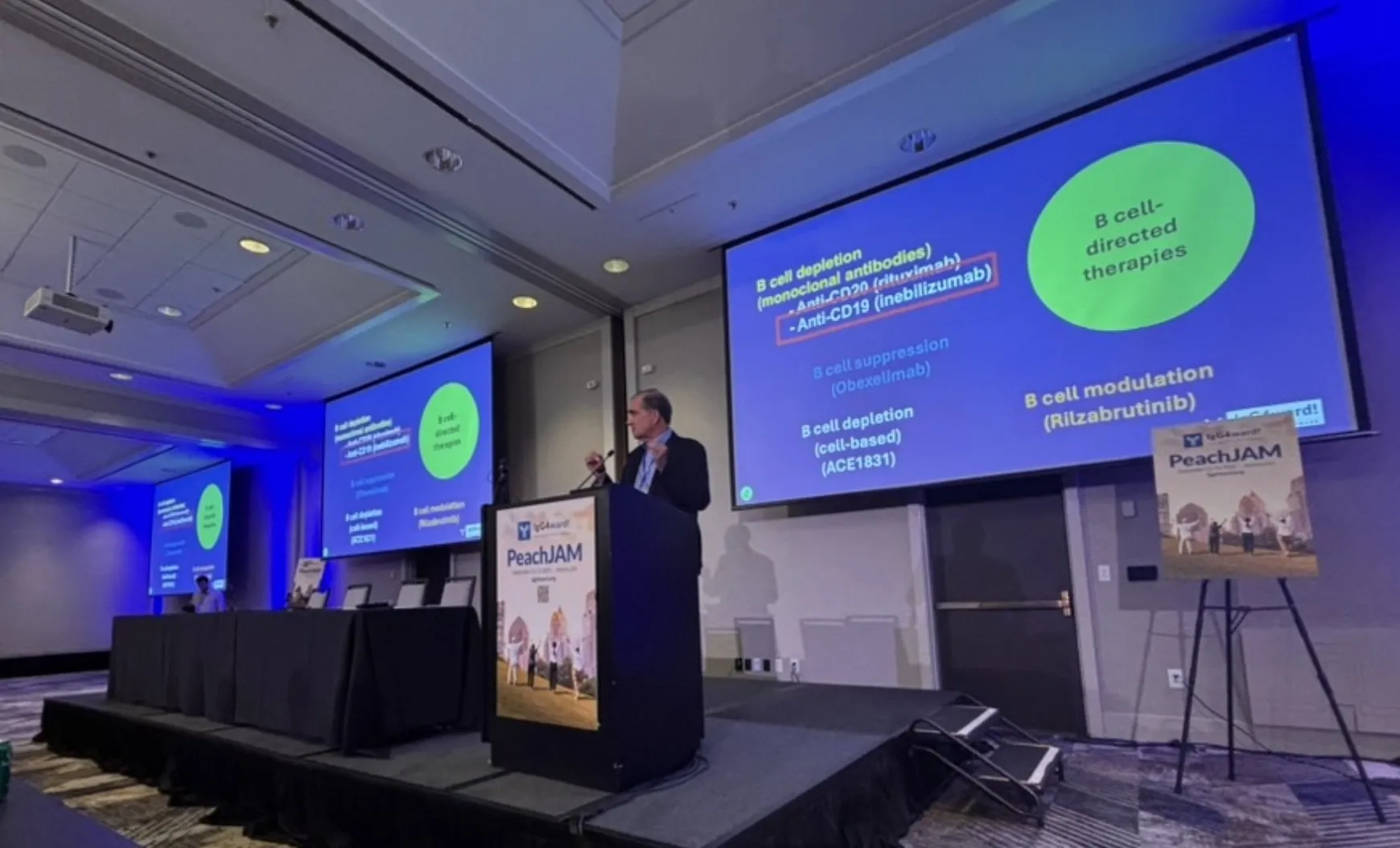
This breakout session centers on B-cell depletion therapy, now the cornerstone of IgG4-RD treatments and the basis for the first FDA-approved therapy, inebilizumab. Dr. Stone explains how targeting B-cells helps control inflammation more safely and effectively than long-term steroid use or traditional immunosuppressants.
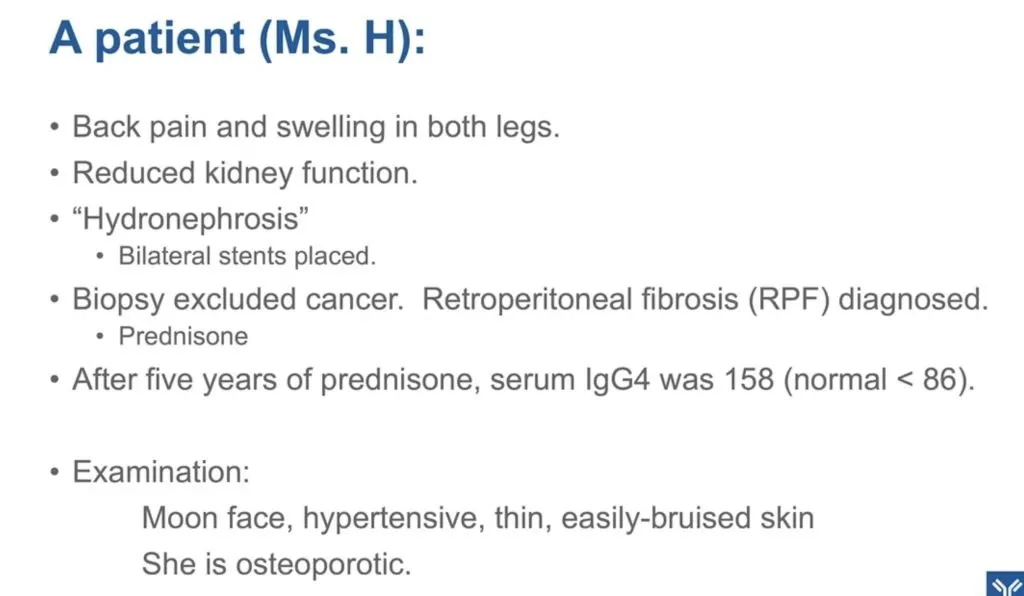
Case Example: Ms. H and Retroperitoneal Fibrosis
Dr. Stone shares the story of Ms. H., a 34-year-old woman with retroperitoneal fibrosis, a known manifestation of IgG4-RD. For eight years she depended on prednisone to manage her symptoms but developed the common side effects of long-term steroid use, including facial swelling, high blood pressure, fragile skin, and bone loss.
With careful monitoring and a transition to B-cell depletion therapy, she was able to taper off prednisone completely within eight weeks and begin a new chapter of remission.
Highlights from the Breakout Session
Vaccine Timing: Receive recommended vaccines before beginning B-cell depletion (ideally 3–4 weeks prior) to support protective immune response.
Preventing Hepatitis B Reactivation & Shingles: Screen for hepatitis B (measuring anti-hepatitis B core antigen antibodies) and vaccinate for shingles to avoid reactivation. These risks are largely preventable.
Infusion Reactions: While uncommon, reactions can occur. Humanized therapies such as inebilizumab are generally better tolerated than chimeric options such as rituximab (which contain mouse-derived amino acids that can trigger immune response in some patients).
Monitoring Antibodies & Infections: Regular lab assessments every 4–6 months are sufficient for most patients. Labs often include a complete blood count, creatinine, liver function tests, lipase, IgG subclasses, IgE, and complement levels (C3 & C4).
Late-Onset Neutropenia: A rare, temporary drop in white blood cell count that may occur months after treatment, when B cells are returning. It typically resolves quickly and without clinical consequence.
Dr. Stone emphasizes that most side effects are predictable and manageable when patients and clinicians plan ahead together
The Big Picture
“We are all learning together. Nobody has all the answers, including the experts.”
- Dr. John Stone
B-cell depletion therapy has transformed the way IgG4-related disease is treated. For many patients, it offers remission with fewer side effects and less dependence on steroids.
Looking ahead, new B-cell targeted and cell-based therapies are emerging that aim to refine care further, reduce risks, and support longer-lasting remission.
Learn More
Track your vaccines, infusions, and labs with the IgG4ME! app designed for patients and caregivers.
Explore earlier videos in the PeachJAM Series for additional education and support.
Upcoming Video Release Schedule:
November 10
Panel Discussion – Participation in Research & Clinical Trials – Emory Patients & Clinical Coordinators
November 17
Short Lecture –How Do I Know if My Disease Is Active? – Dr. Matthew Baker
November 24
Q&A –Community Questions Answered by Expert Physicians
In January, the month’s Fireside Chat will feature the “Greatest Hits” from Breakout Sessions at the PeachJAM and CanJAM.
Also in January of 2026, the Foundation will continue the series with recorded videos from our most recent Patient JAMboree, the IgG4ward! CanJAM.

What This Means for You
IgG4-related disease (IgG4-RD) is a chronic immune-mediated condition that can affect different organs in the body. This session focuses on how to prevent side effects while treating IgG4-RD, especially when using B-cell depletion therapy such as inebilizumab. Preventing side effects often includes vaccine timing, screening for hepatitis B, shingles prevention, and regular monitoring of labs. Most side effects are predictable and manageable when patients and care teams plan ahead.
Frequently Asked Questions (FAQ)
A treatment approach that reduces B-cells to help control inflammation in IgG4-related disease (IgG4-RD).
Vaccines work best when given 3–4 weeks before B-cell depletion to support protective immune response.
They are uncommon. Humanized therapies such as inebilizumab are generally well tolerated.
In many cases, yes. With careful planning, patients may reduce or discontinue long-term prednisone.
Stay Engaged
Whether you’re newly diagnosed, caring for someone you love, or advancing the science - this Series is for you.
Follow along each week as we share new videos that blend education, empathy and discovery.
Subscribe to our YouTube channel and follow us on social media to stay connected.
Together, we’re paving the path 4ward - toward earlier diagnosis, better care and renewed hope for all affected by IgG4-RD.
This video and post are for educational purposes only and do not substitute for professional medical advice. Always discuss your individual care plan with your healthcare team.