IgG4ward! PeachJAM Video Series: Patient Voices & Clinical Trial Participation in IgG4-RD
Watch Video 4: Patient Voices & Clinical Trial Participation
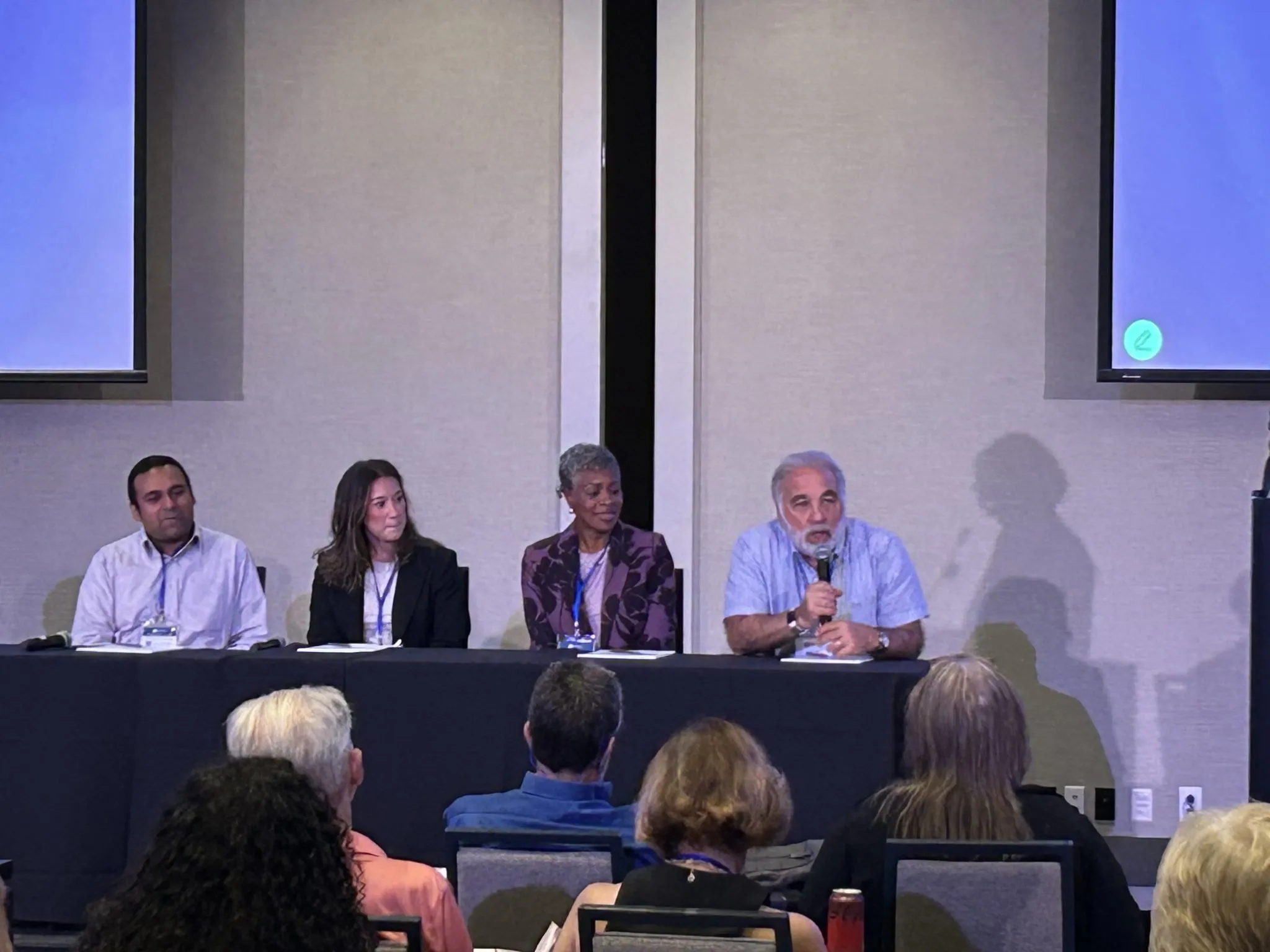
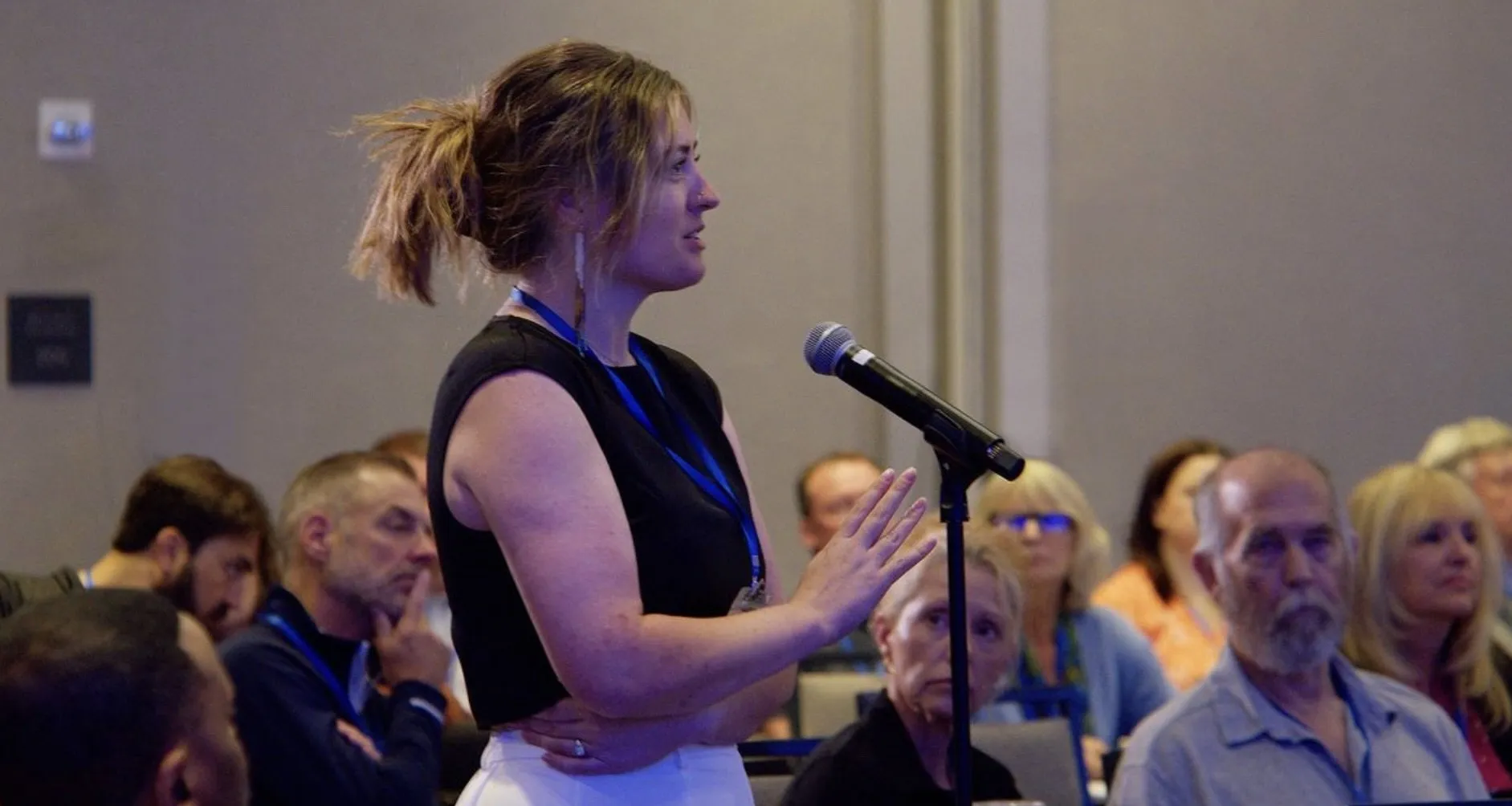
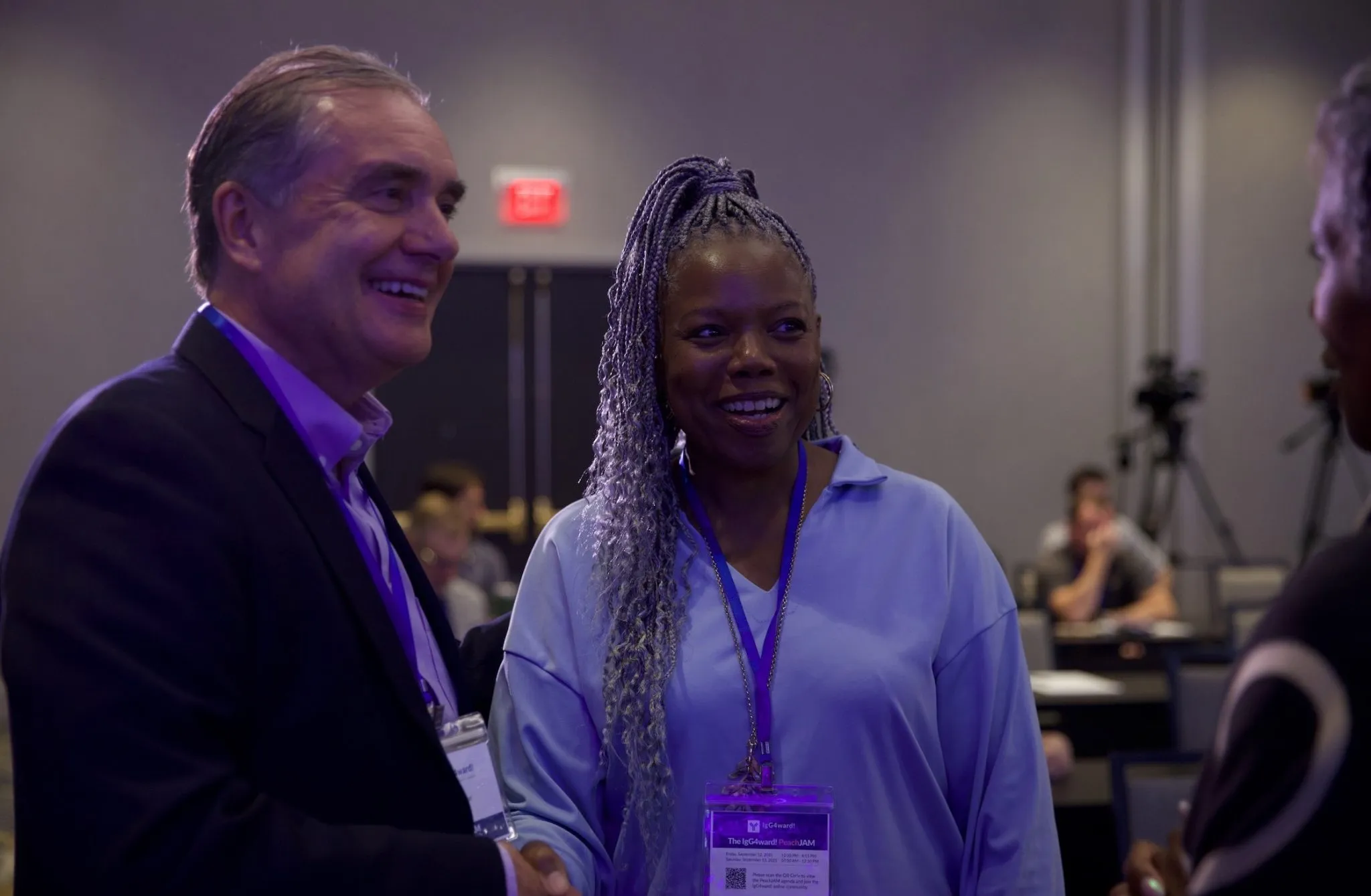
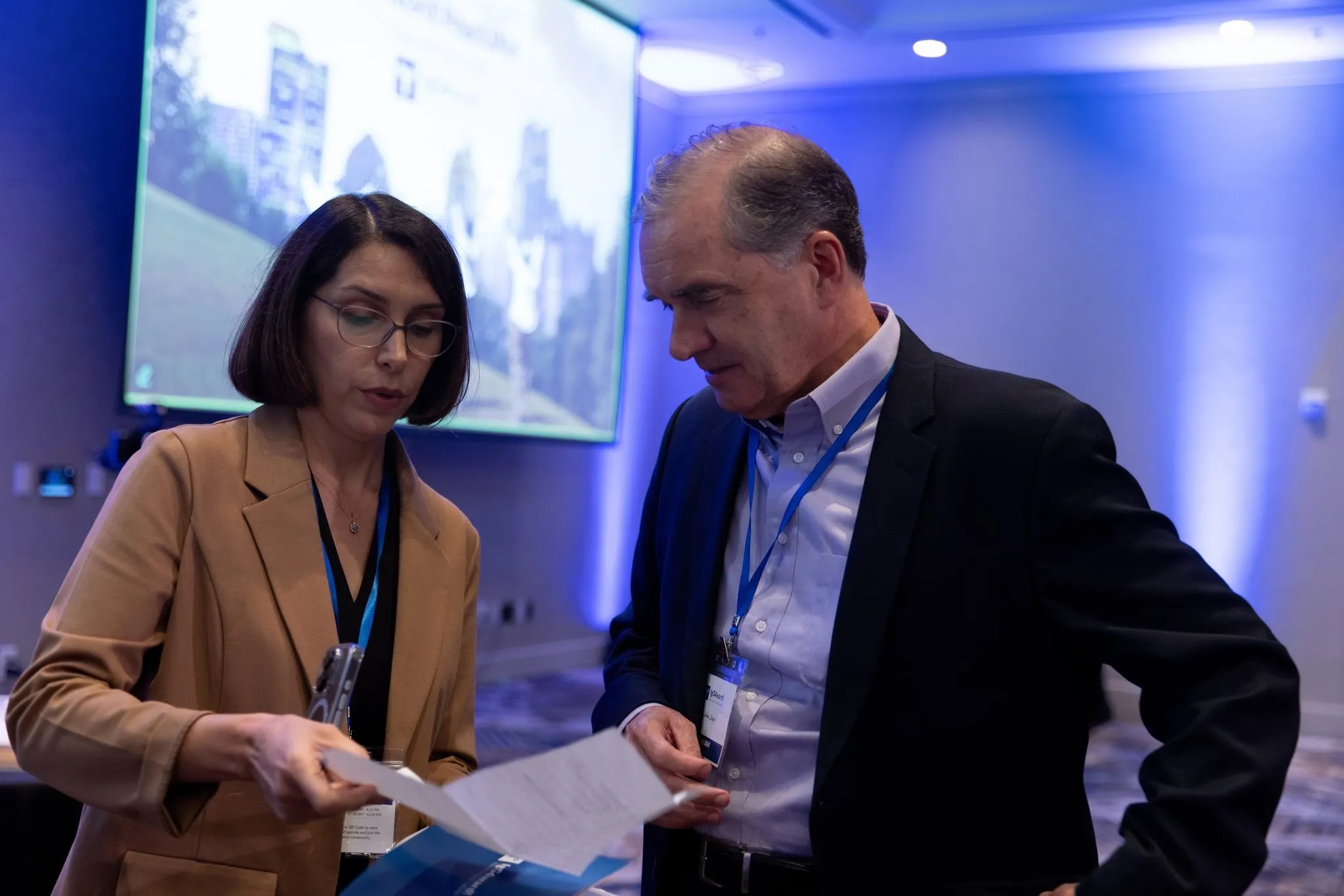
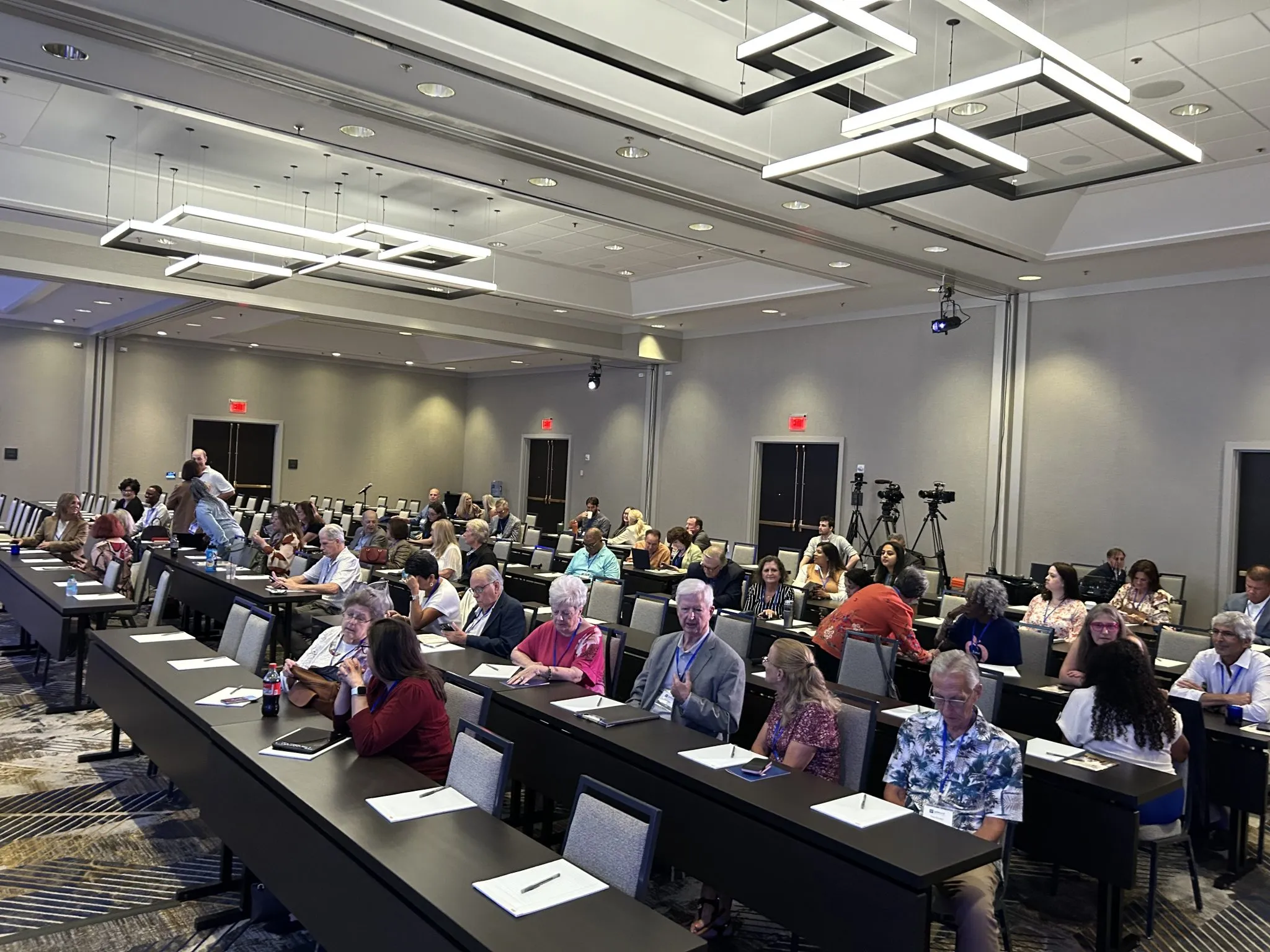
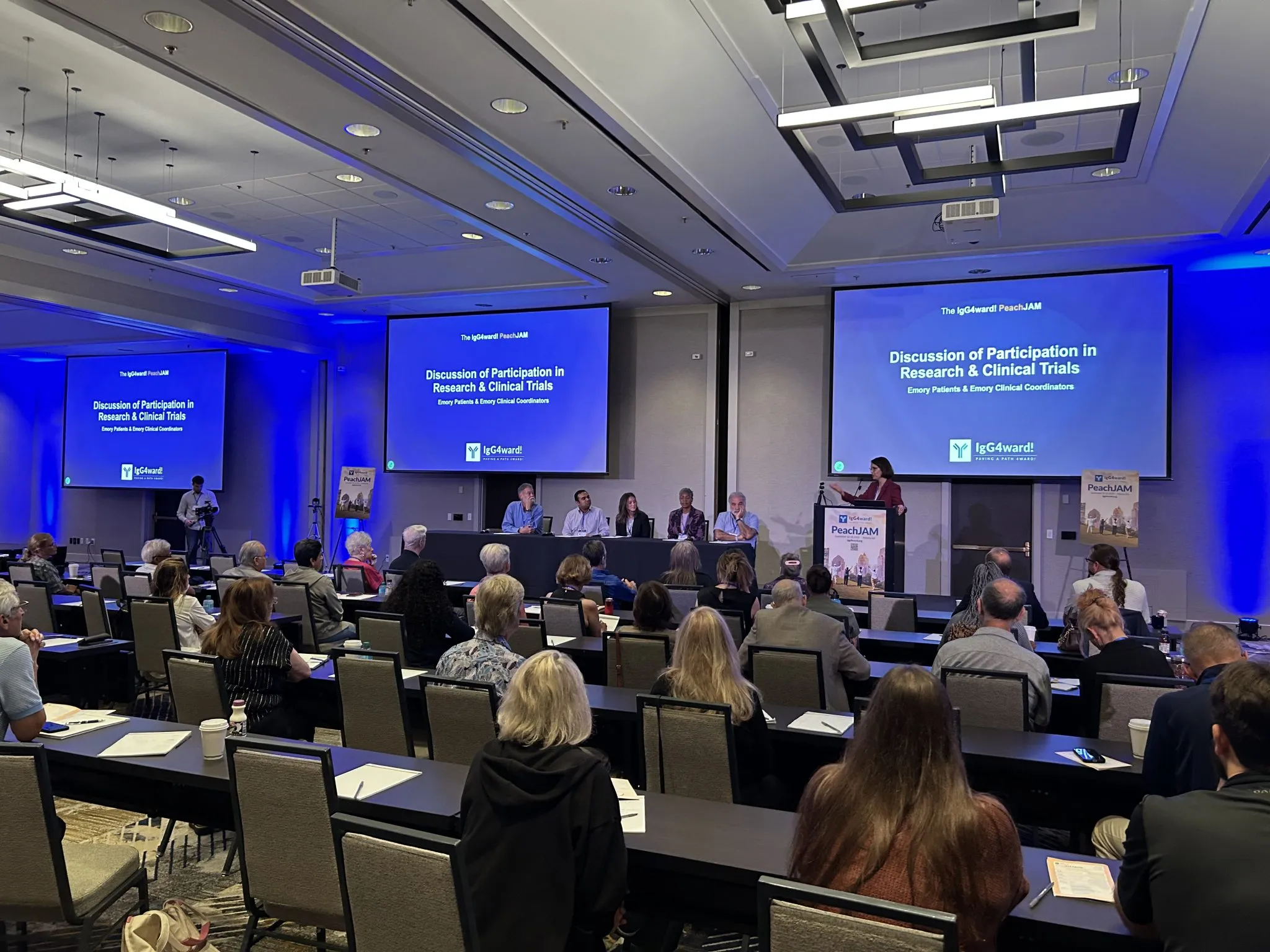
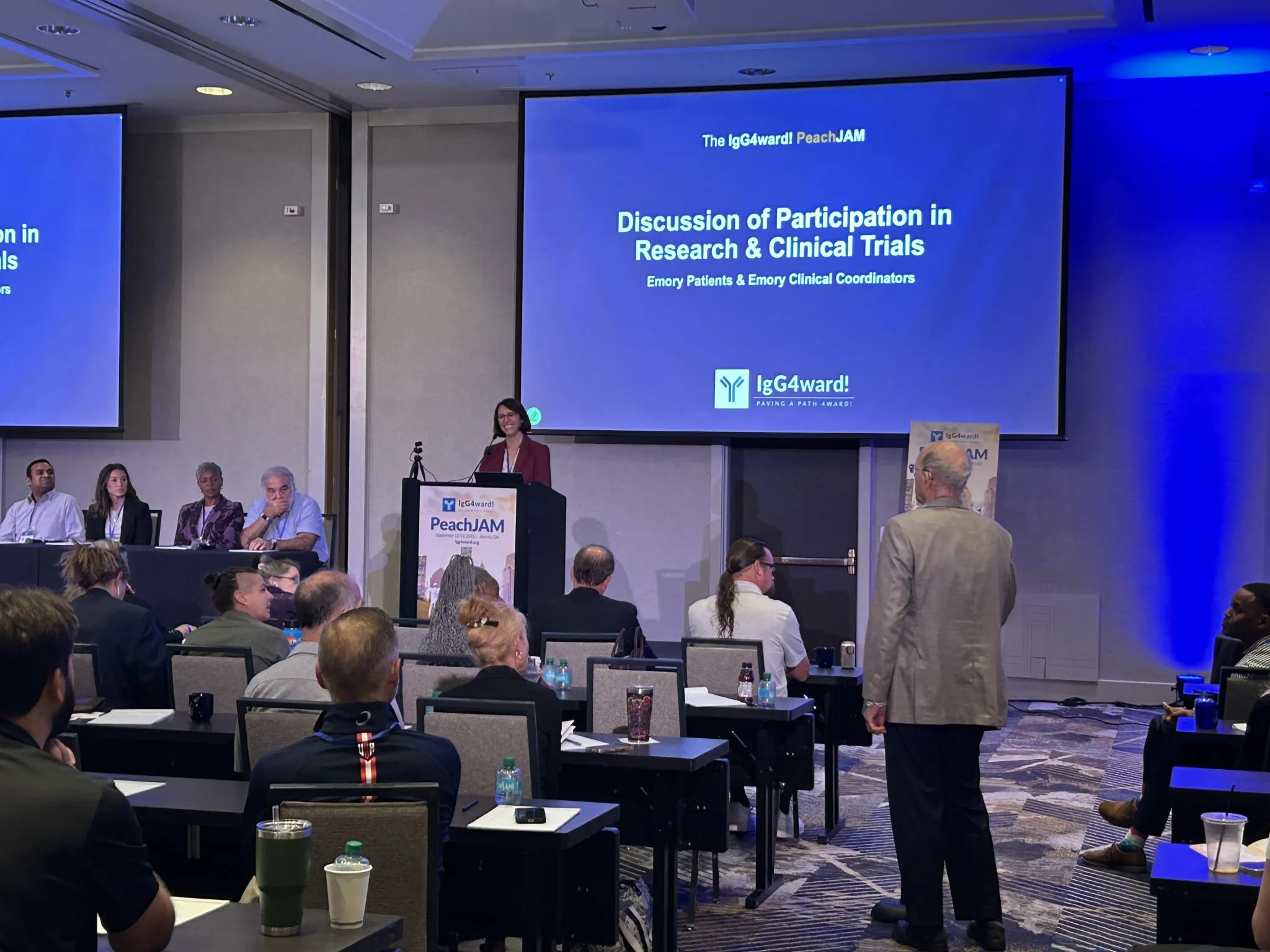
This session captures the voices of patients and clinical research coordinators who have joined together in research to better understand IgG4-related disease. Their stories highlight the connection, support and collaboration that research can create.
Led by Dr. Arezou Khosroshahi, this conversation offers an honest look at what clinical research participation is like – not as “subjects”, but as partners.
Why Patients Choose to Participate in Research
Panel participants shared two key motivations:
Personal Support & Reassurance - Research visits offer consistent follow-up and care from teams who deeply understand IgG4-RD.
Helping the Community - Their involvement contributes to future progress in diagnosis, treatment, and patient support.
“If my participation leads us one step closer to better answers, then it’s worth it.”
“Being followed by a team who truly understands this disease brings real peace of mind.”
The Role of Clinical Research Coordinators
In the discussion, patients spoke with emotion about the support and connection they experienced with their research coordinators. These were not transactional visits, they were relationships built over time.
Coordinators described their role simply and clearly:
"Patients are not data points. They are partners in science.”
Coordinators listen closely, answer questions help problem-solve barriers and remain responsive – even outside typical hours. One patient shared:
“They were there on weekends. They were there when I had questions at night. It felt like someone was actually walking me through this.”
For some the hardest part, was missing that ongoing connection.
“These were genuine relationships. When they study ended, I honestly missed seeing the team.”
What Participation in a Clinical Trial Looks Like
A typical research visit may include:
Time with the specialist
Lab work or imaging
Symptom and well-being check-ins
Space to ask questions
Patients noted that research visits feel different from standard appointments — more time, more communication, and more continuity.
Why Clinical Research Matters in IgG4-RD
Because IgG4-RD is still a rare and evolving disease, every person who participates helps expand what we know about:
How the disease behaves over time
How different patients respond to treatments
How to improve long-term outcomes
“We cannot move forward without the courage of patients and families who say yes to research.”
Interested in Learning More?
Ask your treating physician whether clinical research is available through your center
Visit clinicaltrials.gov and search IgG4-related disease
Stay connected through the IgG4ward! Community for updates and future opportunities
Explore earlier videos in the PeachJAM Series for additional education and support.
Upcoming Video Release Schedule:
November 17
Short Lecture –How Do I Know if My Disease Is Active? – Dr. Matthew Baker
November 24
Q&A –Community Questions Answered by Expert Physicians
In January, the month’s Fireside Chat will feature the “Greatest Hits” from Breakout Sessions at the PeachJAM and CanJAM.
Also in January of 2026, the Foundation will continue the series with recorded videos from our most recent Patient JAMboree, the IgG4ward! CanJAM.
Stay Engaged
Whether you’re newly diagnosed, caring for someone you love, or advancing the science - this Series is for you.
Follow along each week as we share new videos that blend education, empathy and discovery.
Subscribe to our YouTube channel and follow us on social media to stay connected.
Together, we’re paving the path 4ward - toward earlier diagnosis, better care and renewed hope for all affected by IgG4-RD.
This video and post are for educational purposes only and do not substitute for professional medical advice. Always discuss your individual care plan with your healthcare team.