PeachJAM Video Series: How Do I Know if My IgG4-RD Is Active?
Welcome back to the IgG4ward! PeachJAM Video Series.
Understanding whether IgG4-related disease (IgG4-RD) is active isn’t always simple.
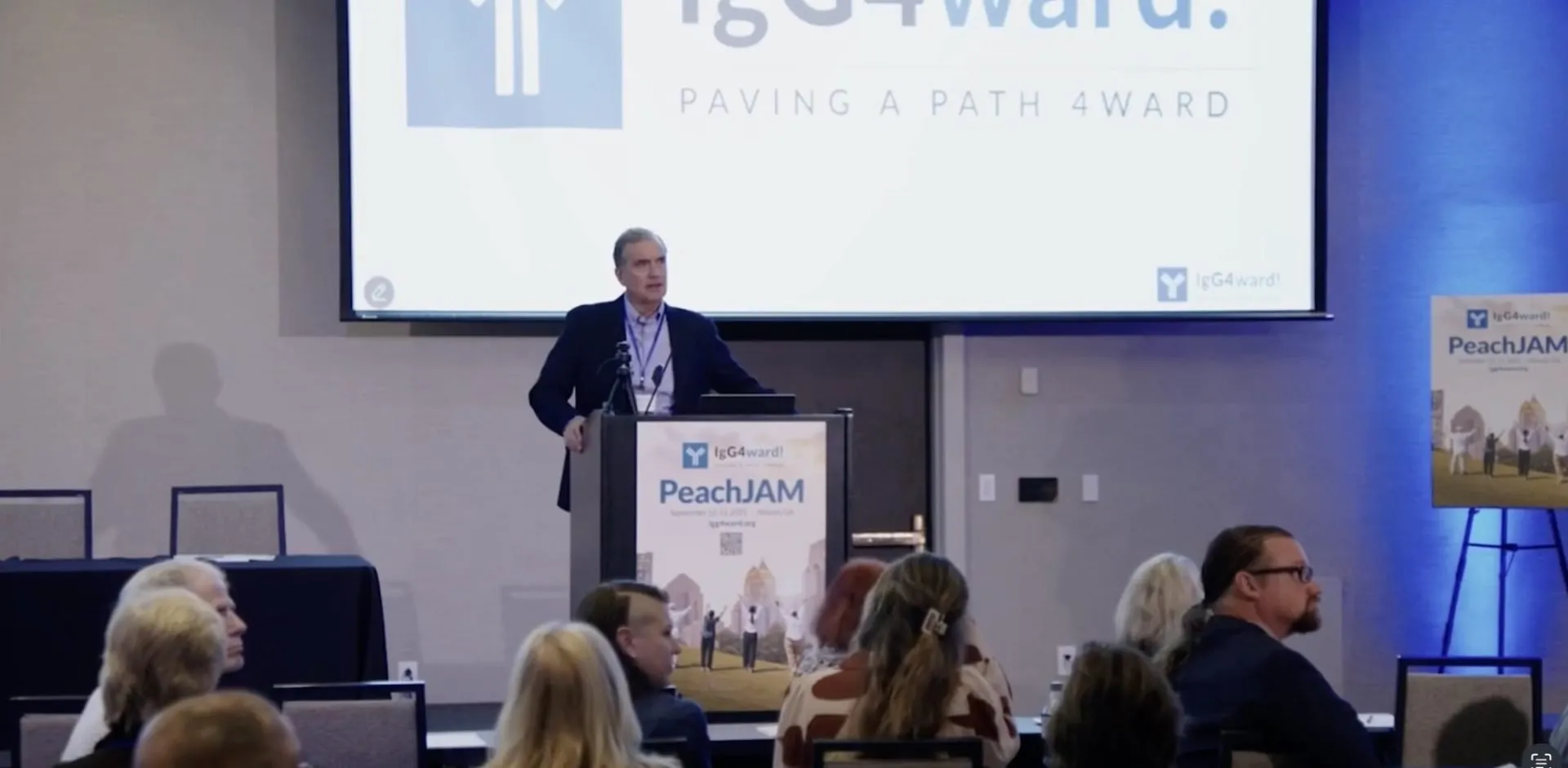
During the IgG4ward! PeachJAM, Dr. Matthew Baker of Stanford University delivered an engaging, patient-centered talk breaking down why determining disease activity requires a full-picture approach – and why awareness, ongoing monitoring and patient advocacy are so important.
Watch: How Do I Know if My Disease is Active?
Why Determining Disease Activity Isn’t One-Size Fits-All
IgG4-RD presents differently in every patient. As Dr. Baker explained, there is no single test that can confirm activity in every case. Instead, clinicians look at multiple factors together – symptoms, imaging, blood tests and sometimes biopsies – to understand what is happening in the body.
Dr. Baker illustrated this using a sports analogy: just as a foul depends on the sport you’re watching; signs of active disease depend heavily on the organ system involved.
What Clinicians Look At
A comprehensive assessment may include:
Symptoms – shared during conversations with your physician
Physical exams – focusing on affected organ systems
Blood tests – including IgG4, complement, IGE, eosinophils
Imaging studies – such as CT, MRI, PET scans
Biopsies, when a new or unclear manifestation appears
Key takeaway: Your symptom reporting matters. Even small changes, such as fatigue, pain, or something as simple as “bubbly urine”, can help direct testing.

Examples from Dr. Baker’s Talk
Dr. Baker shared real clinical scenarios showing how IgG4-RD may flare differently from patient to patient:
A patient whose blood markers rose before symptoms appeared
A multisystem patient whose lung flare was the only sign of active disease
A patient whose pancreas looked stable while kidney involvement quietly returned
Aortic involvement picked up early on PET scan before symptoms worsened
Monitoring After Treatment
After treatment – whether through watchful waiting or regular maintenance, ongoing monitoring helps establish a “new baseline”. Stability can be just as important as improvement. In some cases, imaging may never look completely normal and that is expected.
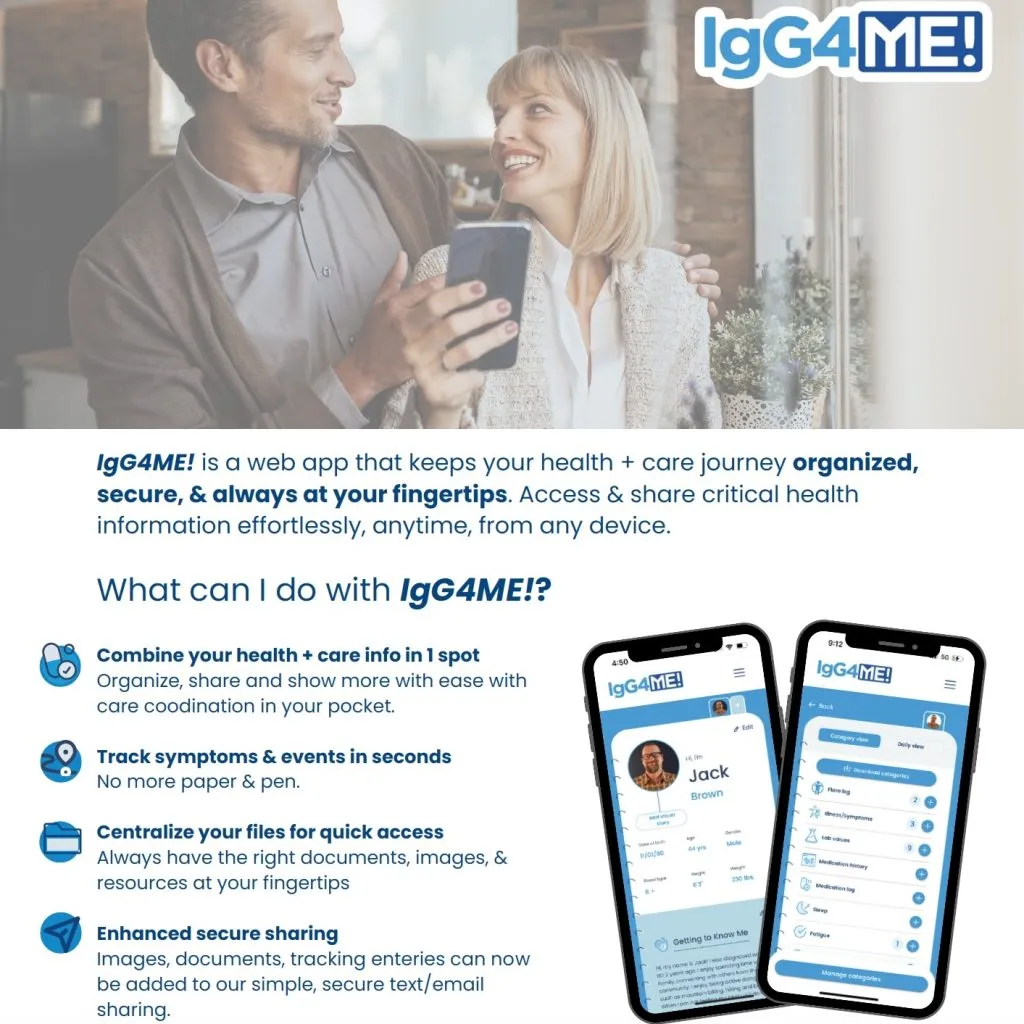
Because tracking symptoms and changes are essential when determining disease activity, the IgG4ME! app helps patients stay organized, monitor trends & communicate more effectively with their clinicians. Knowledge and preparation are key to catching flare patterns early.
Education & Early Detection Save Lives
Dr. Baker emphasized the growing need for better access to specialists, more widespread physician education and the importance of patient advocacy – especially for those in rural or underserved areas.
The FDA approval of new therapies and continued work by organizations like the IgG4ward! Foundation are driving progress in awareness, diagnosis and care.
Upcoming Video Release Schedule:
November 24 - Q&A –Community Questions Answered by Expert Physicians
In January, the month’s Fireside Chat will feature the “Greatest Hits” from Breakout Sessions at the PeachJAM and CanJAM.
Also in January of 2026, the Foundation will continue the series with recorded videos from our most recent Patient JAMboree, the IgG4ward! CanJAM.
Stay Engaged
Whether you’re newly diagnosed, caring for someone you love, or advancing the science - this Series is for you.
Follow along each week as we share new videos that blend education, empathy and discovery.
Subscribe to our YouTube channel and follow us on social media to stay connected.
Together, we’re paving the path 4ward - toward earlier diagnosis, better care and renewed hope for all affected by IgG4-RD.
This video and post are for educational purposes only and do not substitute for professional medical advice. Always discuss your individual care plan with your healthcare team.